The calendar and what drives it
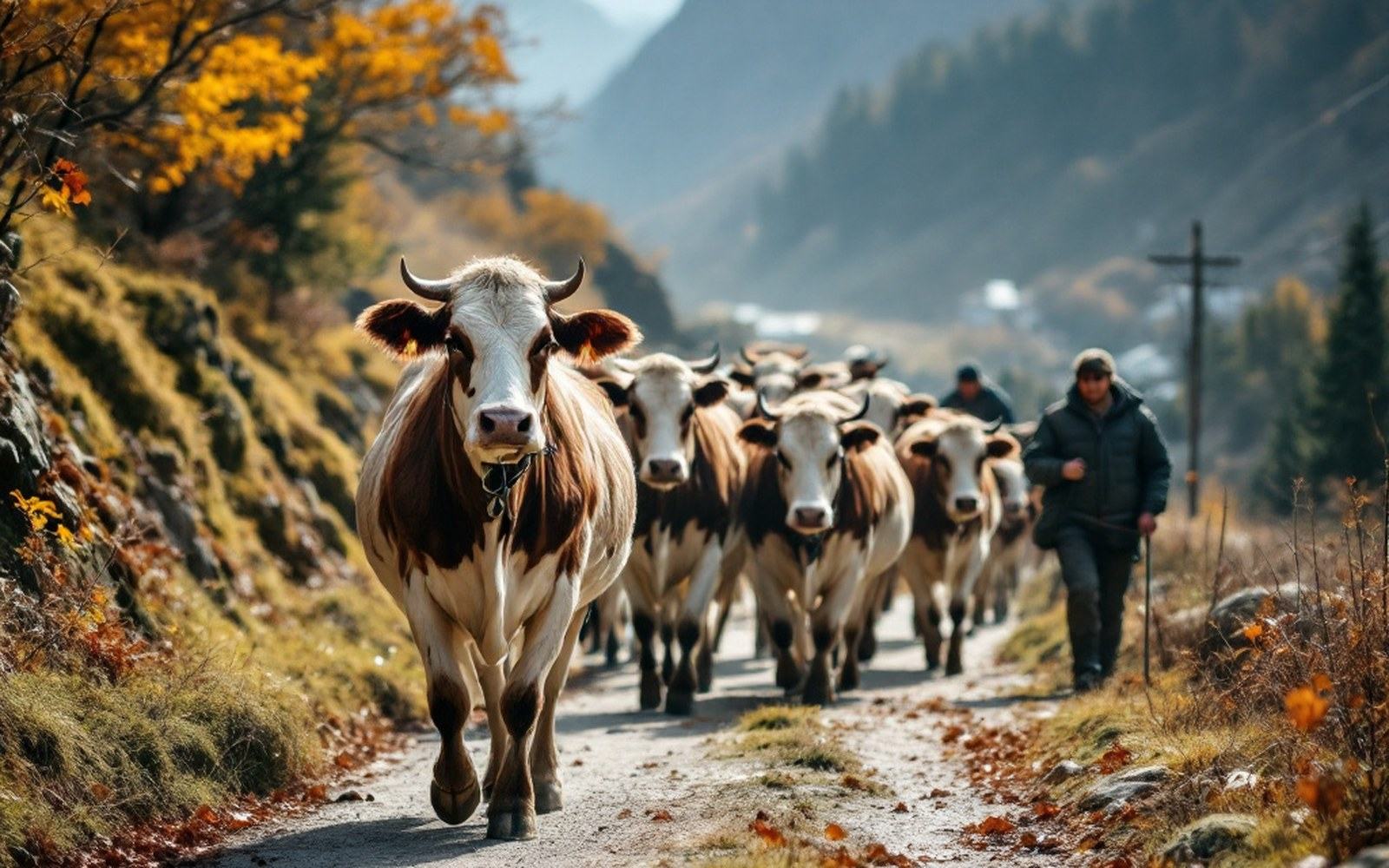
Sometime in late May or early June — the exact date shifts with the snow line and the grass — the cattle leave the valley farm and walk to the high summer pastures. The return happens in September or early October, depending on the altitude and how fast the cold comes down. Between those two dates the herd is on the alpage, the high pasture that sits above the tree line and produces the short, mineral-rich grass that makes summer milk what it is.
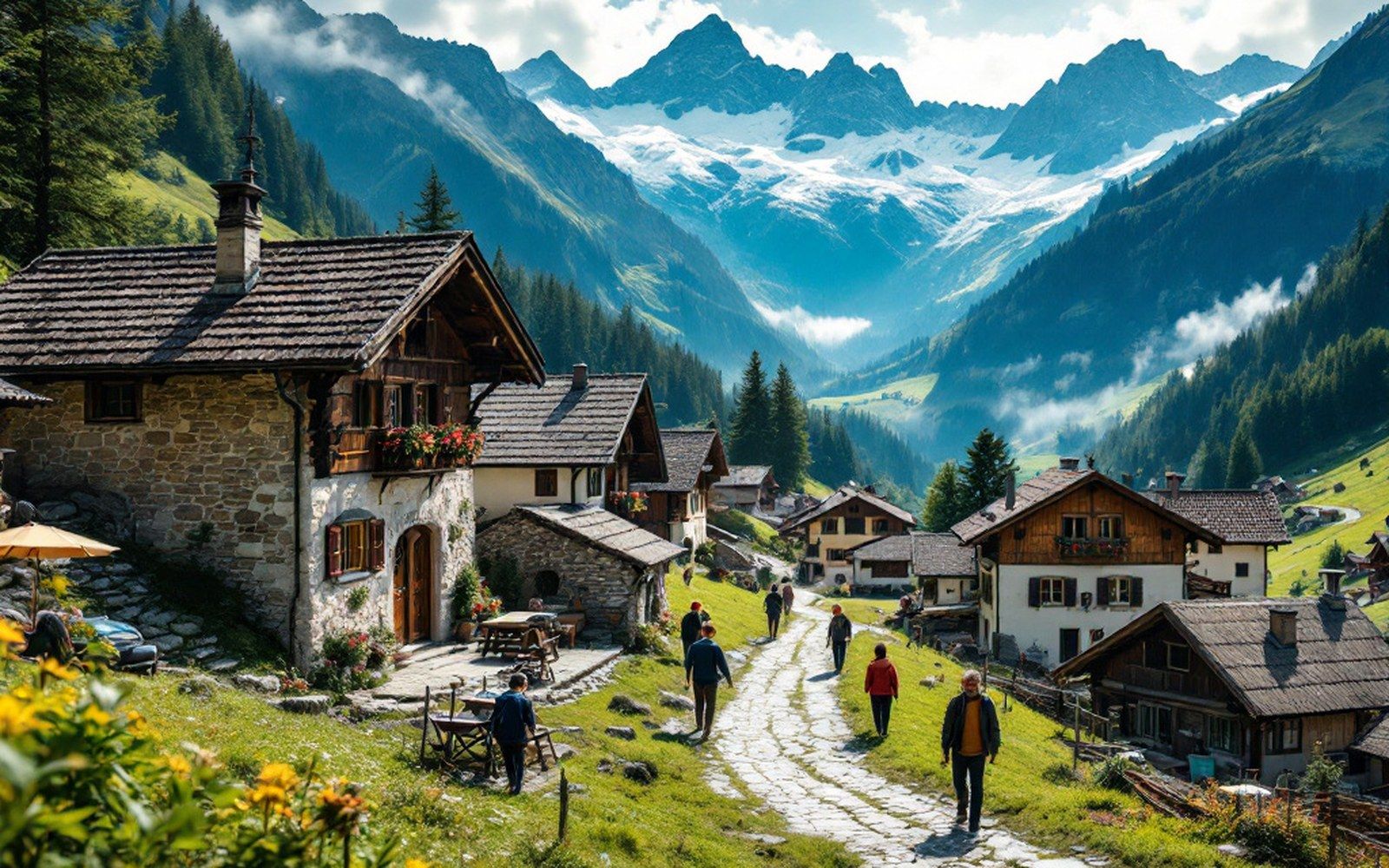
The word transhumance comes from the Latin trans (across) and humus (ground): a movement across the land, seasonal and purposeful. In the massifs around Faverges — primarily the Massif des Bauges, which touches the communes of Seythenex, Chevaline, and the wider country running toward Thônes — the routes are old enough that they have shaped the landscape, worn into the turf and notched at stream crossings by generations of hooves. The Parc naturel régional du Massif des Bauges administers much of this terrain, and the management of summer pasture rights is folded into its broader mandate for the massif.
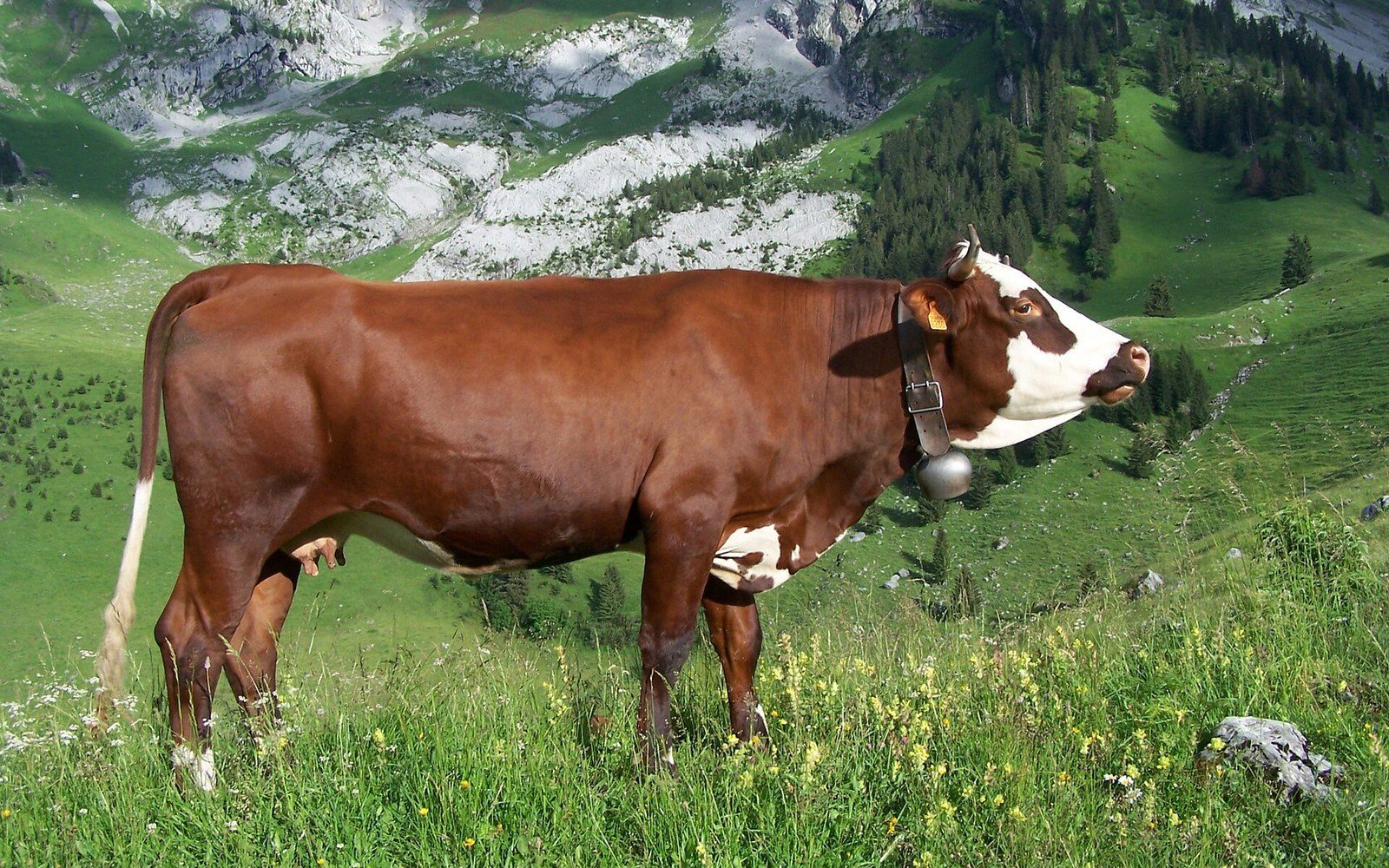
The animals admitted to the move are those listed in the cahier des charges — the specification — of whichever designation covers the milk: Abondance, Tarine, Montbéliarde, and a few crossbreeds where the rules allow. Each breed handles the altitude differently. The Tarine, compact and sure-footed, is well adapted to steep ground. The Abondance, larger and mahogany-patched, has been climbing these pastures long enough that its calm temperament on steep terrain reads almost as habit.
Key numbers and dates
| Late May to early June | typical departure from valley farms |
|---|---|
| September to early October | typical return descent |
| One to two days | duration of the upward walk for a large herd |
| The Massif des | Bauges sits between the Lac d'Annecy basin and the Tarentaise, touching Seythenex and Chevaline |
The walk itself, and what it produces
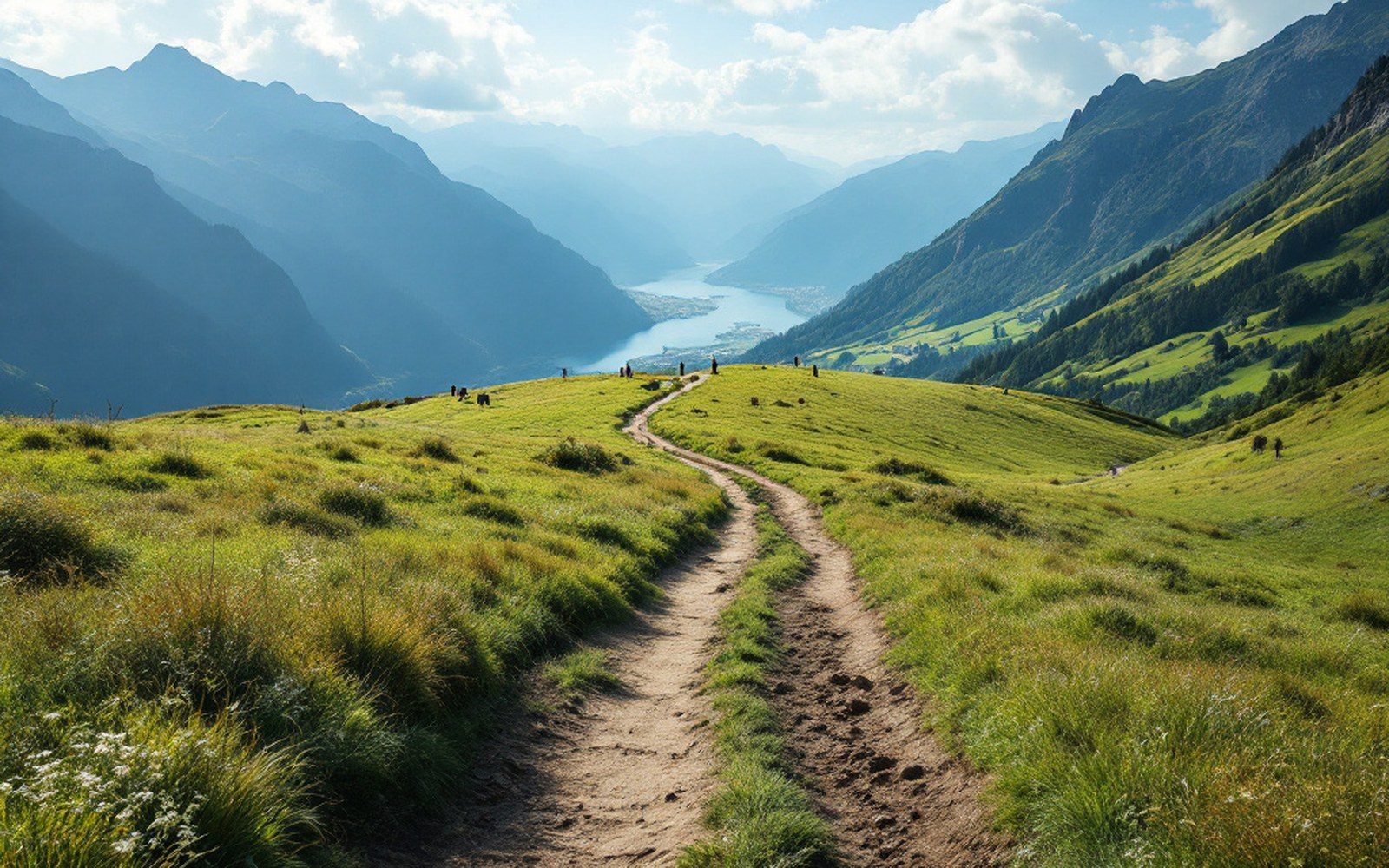
The ascent takes a day, sometimes two if the herd is large or the route is long. The animals are walked, not trucked — though the equipment, feed for the first days, and salt go up by vehicle or, on the steeper routes, by mule. Droving by foot keeps the animals calm and their feet in condition; it also follows the logic of routes that were laid down before motorised access existed and that, in many cases, still cannot accommodate a livestock trailer.
At the top, the herder and any hired hands move into the chalet d'alpage for the season. Milking begins the morning after arrival. The milk goes straight into the vat — there is no chilling and transporting it down the mountain — and the summer's cheese-making starts. Where the specification requires it, the milk is processed on the alpage itself, which is why the chalet d'alpage is built the way it is: byre, dairy room, and living space in a single structure designed around the work.
At the top, the herder and any hired hands move into the chalet d'alpage for the season.
The pooling of milk across several herds, managed historically through the cooperative fruitière and its tour de rôle, belongs to this same logic. One herder's animals could not fill a vat alone. Neighbours who shared the same alpage — or whose pastures were close enough — pooled their milk, and the finished cheese rotated through their cellars in proportion to what each had contributed. The system encoded fairness in the record book: every litre counted.
The descent in autumn is less ceremonial than the ascent but no less precise. When the grass runs thin and the first hard frost threatens the rind on any cheese still in the mountain cellar, the herd comes down. The cheeses that have been aging through the summer come with them — or have already been carried down by hand, wheel by wheel, wrapped in cloth — and affinage, the final cellar phase, continues in the valley under more controlled conditions.
What transhumance produces is not only cheese. It produces a landscape: the high pastures stay open because animals graze them every summer, and if the grazing stopped, the scrub would return within a decade. INAO, the Institut national de l'origine et de la qualité ↗, ties the designations to this practice precisely because the landscape and the milk quality are not separable. The route has not moved much. That is the whole point.