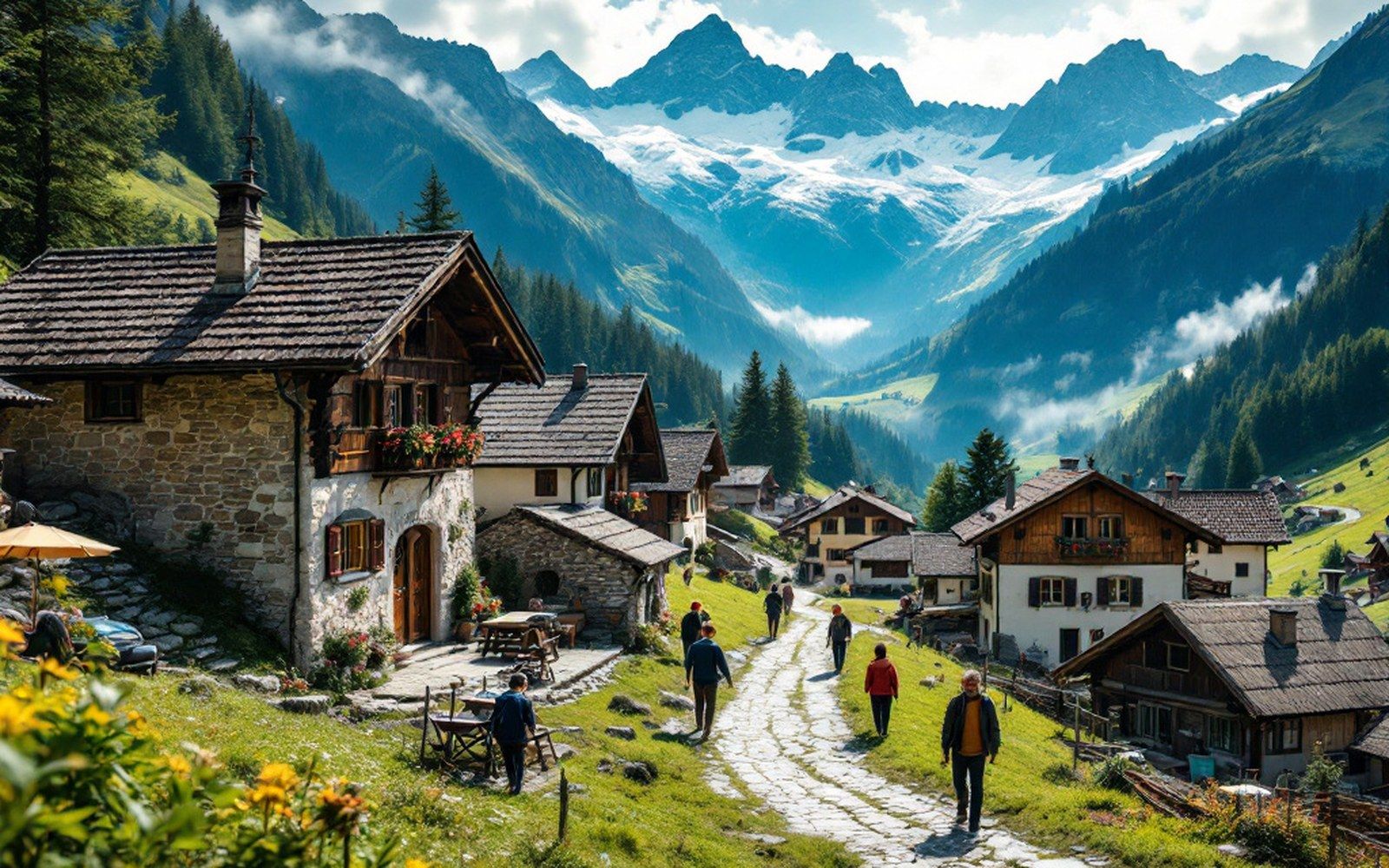
Two villages, one massif, two grazing calendars
Chevaline and Seythenex are neighbours on the southern fringe of the Massif des Bauges ↗, separated by a few kilometres of valley road but by a more consequential gap in altitude. That gap is what gives each commune its own rhythm — different weeks for the drive up, different weeks for the drive back, different windows for making cheese.
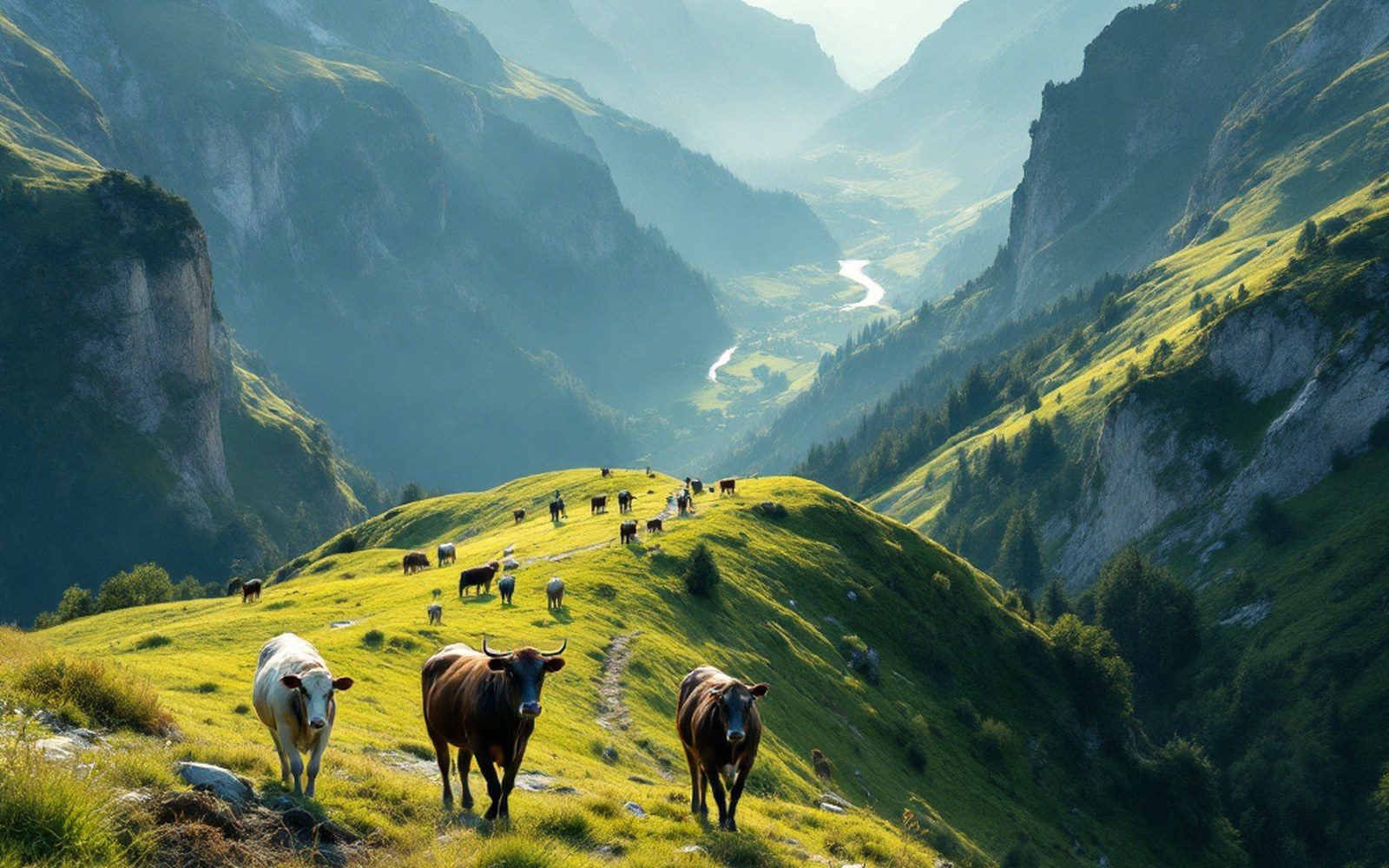
Seythenex sits lower, its pastures beginning where the forest starts to thin. Herds arrive earlier in the season and leave later, because the grass at middling altitudes greens up sooner and holds longer into autumn. Chevaline's alpage — high summer pasture — climbs considerably higher into the Bauges limestone, which means the snowmelt comes later and the window for grazing narrows sharply. A herd pushed up too soon finds nothing to eat; pushed up too late it misses weeks of production. Both communes work inside the Parc naturel régional du Massif des Bauges ↗, whose territory management rules overlay the designation specifications already governing breed, feed and milk use.
Key contrasts
- Seythenexlower altitude, longer season, earlier ascent and later descent
- Chevalinehigher alpage, shorter window, later start date, earlier close
- Massif des Baugesthe shared limestone massif governing both communes' pasture character
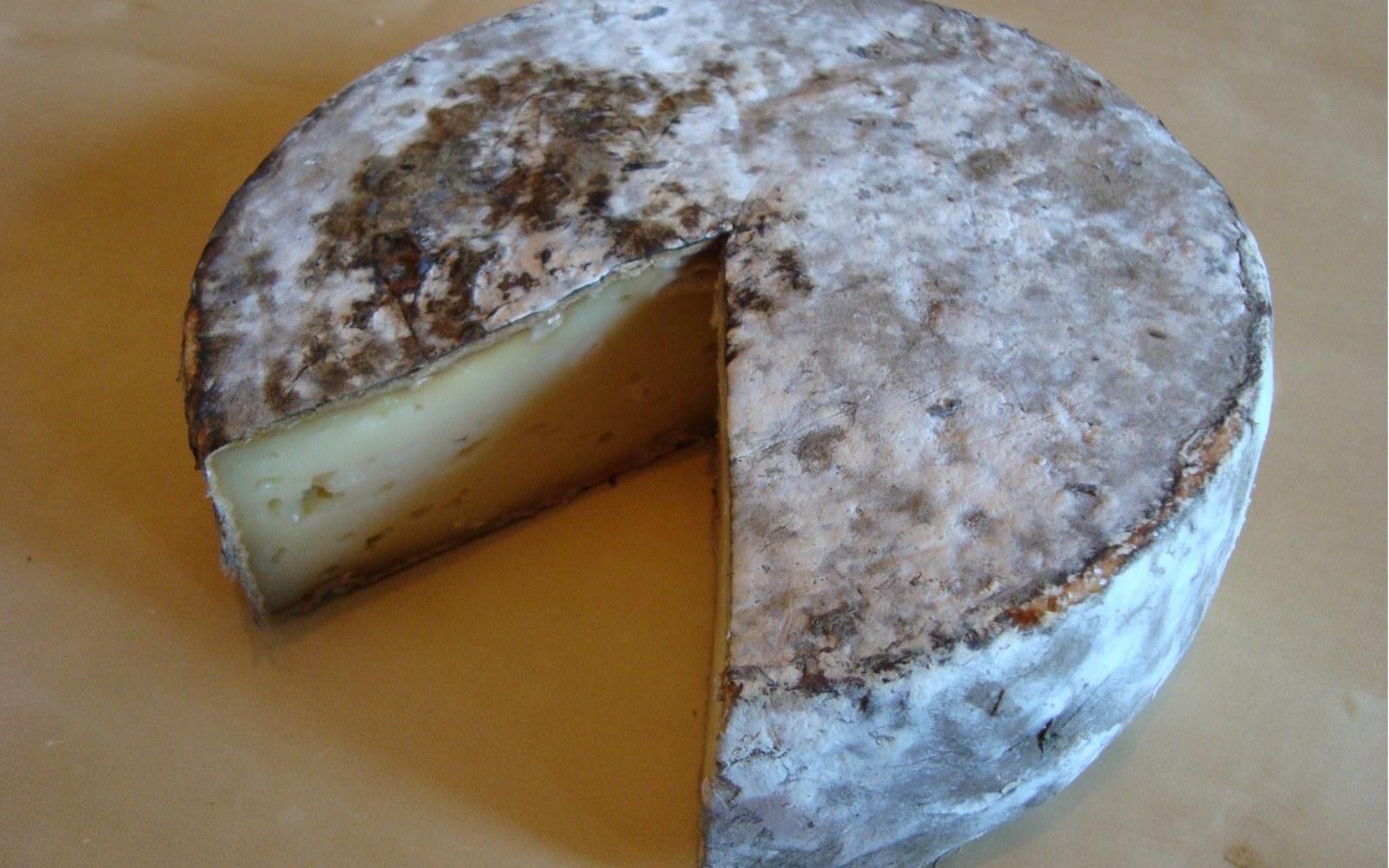
The designation in question is Tome des Bauges, whose cahier des charges — the official specification held by the Institut national de l'origine et de la qualité — defines the geographic zone and the permitted breeds: Abondance, Tarine and Montbéliarde. Reblochon de Savoie's zone also reaches into this corner of the Bauges, so some farms here carry milk to both products depending on season and herd size. The two designations share a logic — milk from defined pastures, processed close to where it was produced — but their specifications differ in rind, texture and the minimum period of affinage, the cellar ageing that finishes each wheel.
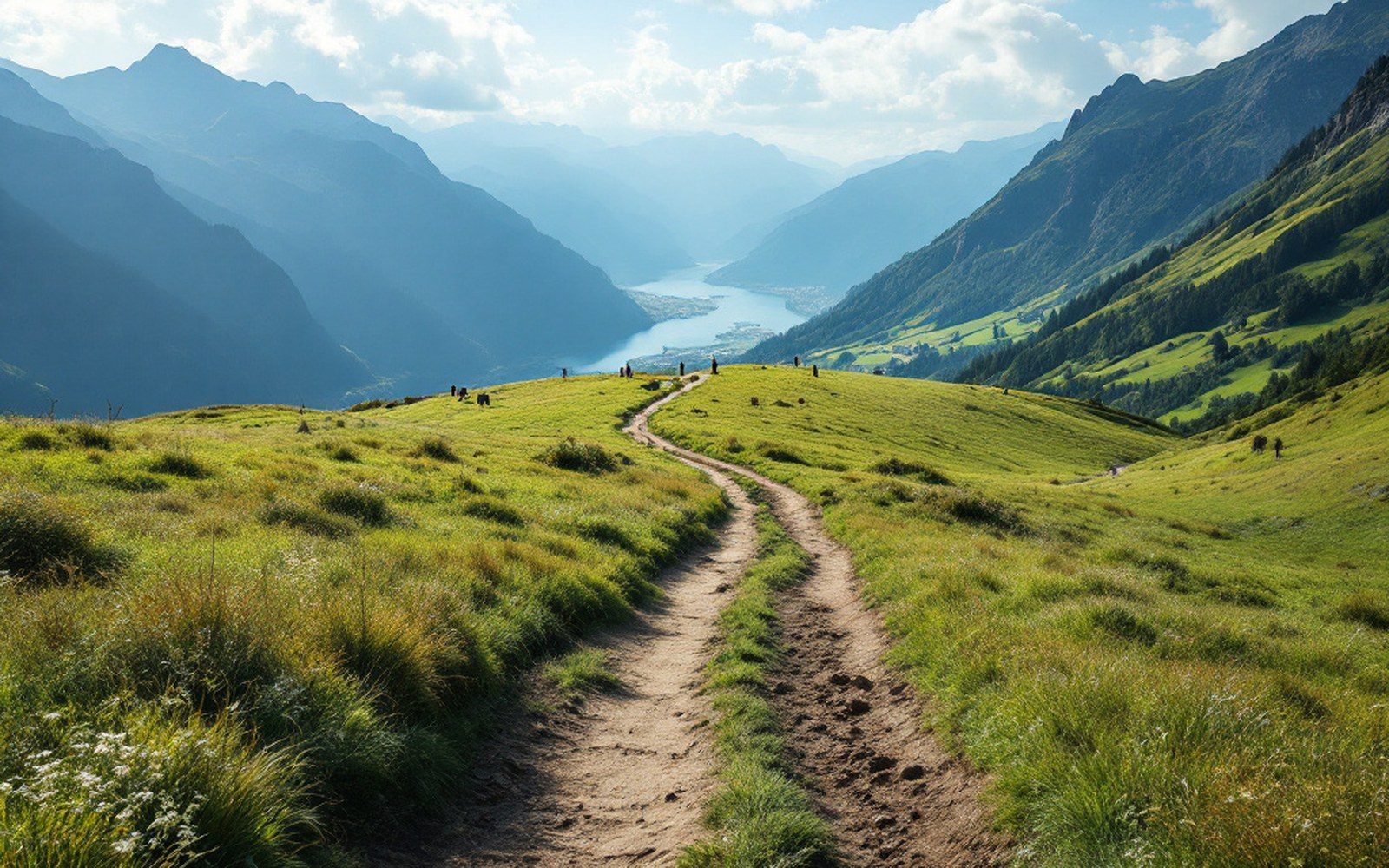
What the altitude difference between Chevaline and Seythenex actually produces is a longer collective season for the massif as a whole. Lower pastures absorb the herd while higher ones are still under snow; higher pastures take over when lower ones dry out in midsummer heat. Read together, the two communes function as a single graduated system, each tier handing the cattle upward or downward as the season requires. The European Commission's eAmbrosia register ↗ holds the published product specifications that lock this geography into law — the reason a wheel made here cannot simply be replicated on lower, easier ground.