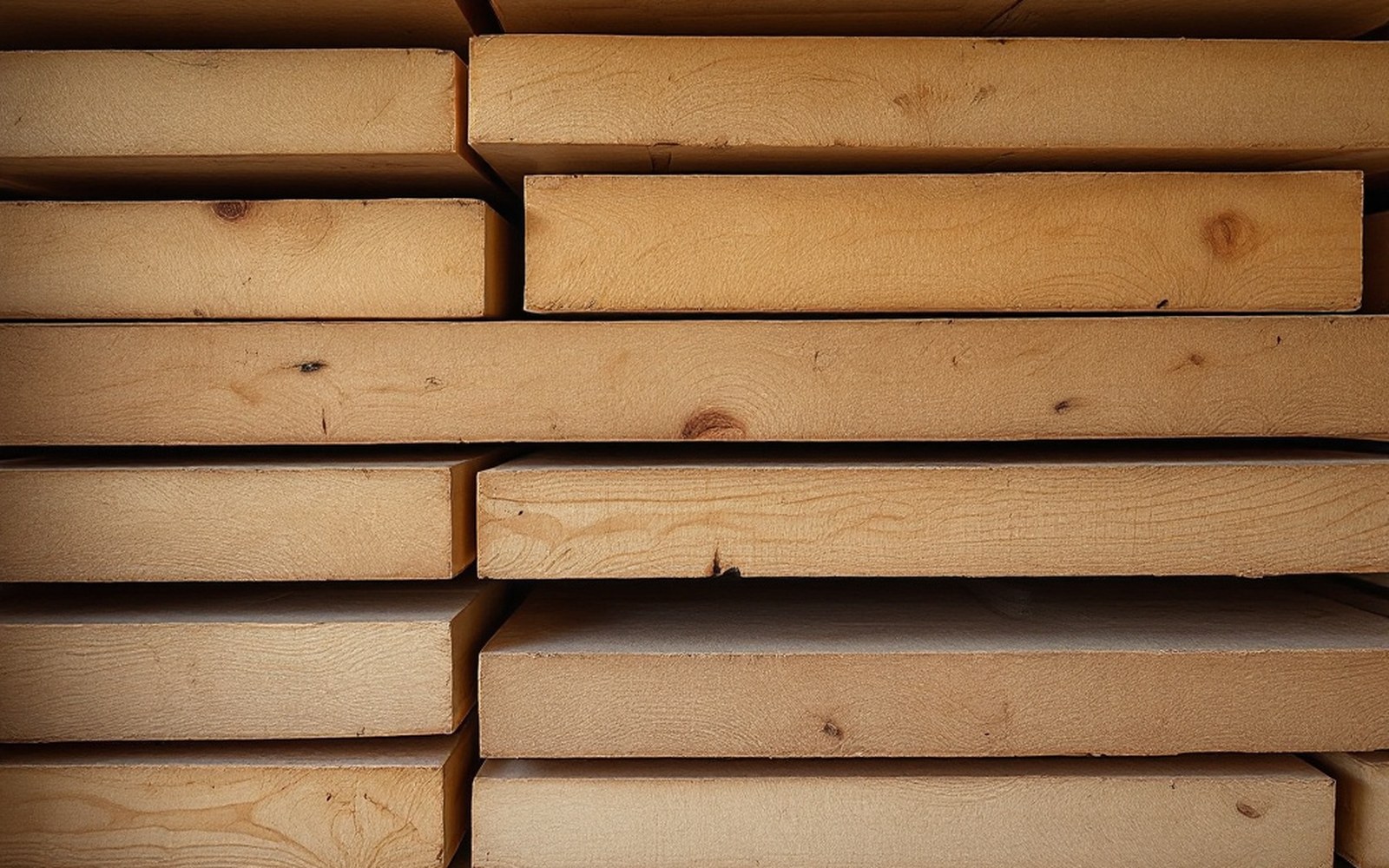
The wood that works
In a cheese cellar, the board under a wheel is not a shelf. It is a participant. A spruce board — épicéa in French — pulls moisture from the rind as the wheel loses whey in its first days, then returns humidity gently as the air dries. That exchange, repeated across dozens of boards stacked in a cool cellar, is part of how a rind forms and why it forms the way it does.
The boards used for Reblochon de Savoie and Tome des Bauges are cut from Norway spruce (Picea abies), the dominant conifer across the mid-altitude forest belt of the Haute-Savoie and the Massif des Bauges. The wood is chosen not for tradition alone but for specific physical properties: it is porous enough to breathe, tight-grained enough to resist saturation, and it does not impart resins or tannins at a level that would mark the rind. Beech, oak and pine have all been tested informally over generations; spruce survived as the standard because it works.
What the board actually does
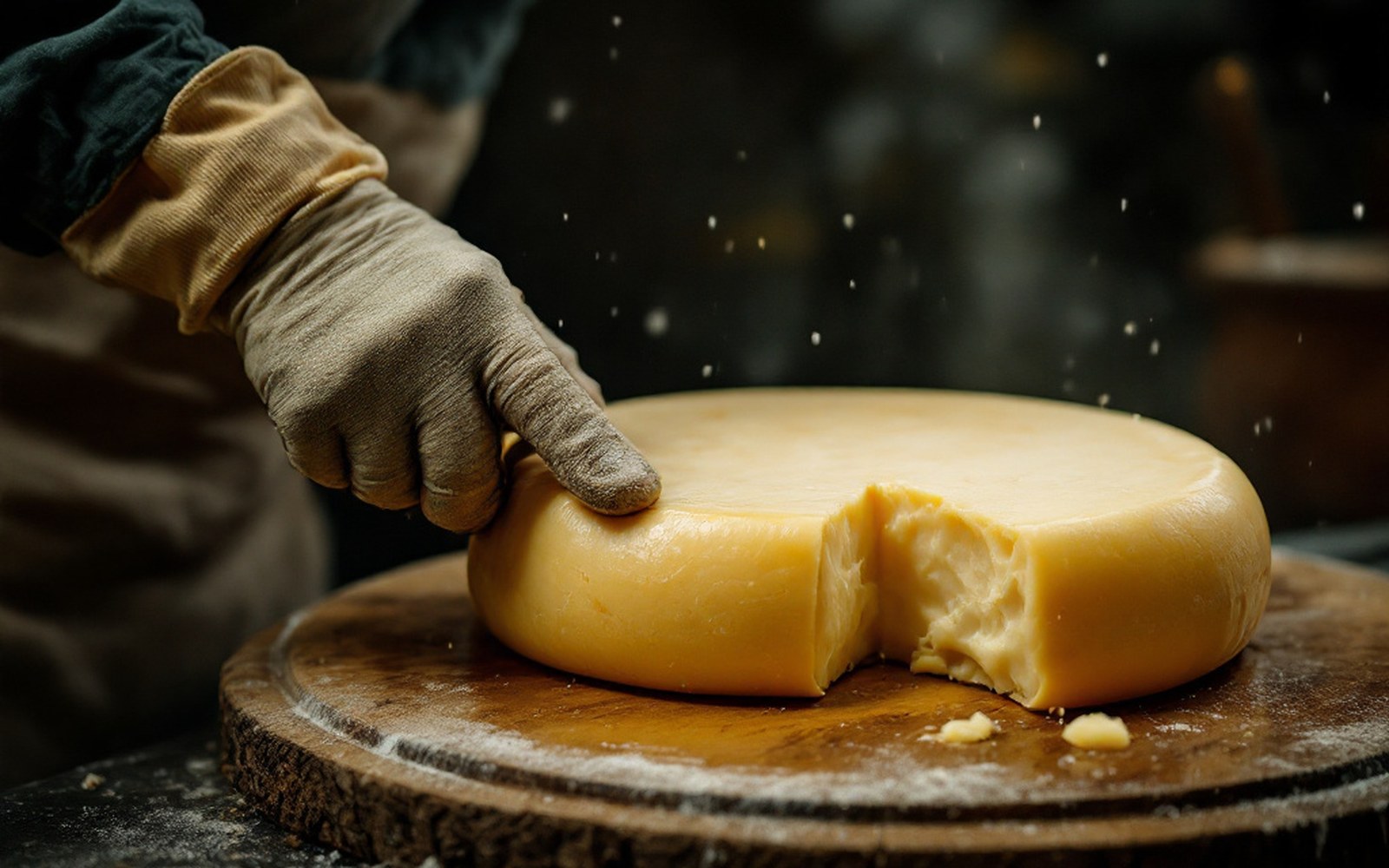
A fresh wheel arrives on the board still losing whey. The wood absorbs that surface moisture and prevents the rind from sitting in a wet film, which would open it to unwanted bacterial and mould populations before the target flora have established. Over the following days, as the cellar's humidity hovers around ninety percent, the board gives that moisture back slowly — enough to keep the rind from cracking as it firms.
What the material does — stage by stage
- Fresh wheel on boardwood draws off surface whey, prevents wet-rind pooling
- Days two onwardboard returns humidity, slows surface cracking
- Throughout affinageboard flora transfers to rind, establishing target microbial population
- End of board lifescraped thin or split; retired rather than sanitised back to neutral
The second function is biological. Spruce boards are not sterile and were never meant to be. They carry a stable, cellar-adapted microbial community — yeasts, bacteria, moulds — that transfers to the rind on contact. Affinage, the whole art of rind development through washing and turning, depends on this population already being present when the cheese is first handled. A board that has aged in a working cellar brings its own inoculum. New boards are broken in deliberately, left in the cellar atmosphere before use so they acquire the house flora. Sanitising them to clinical sterility would defeat the point.
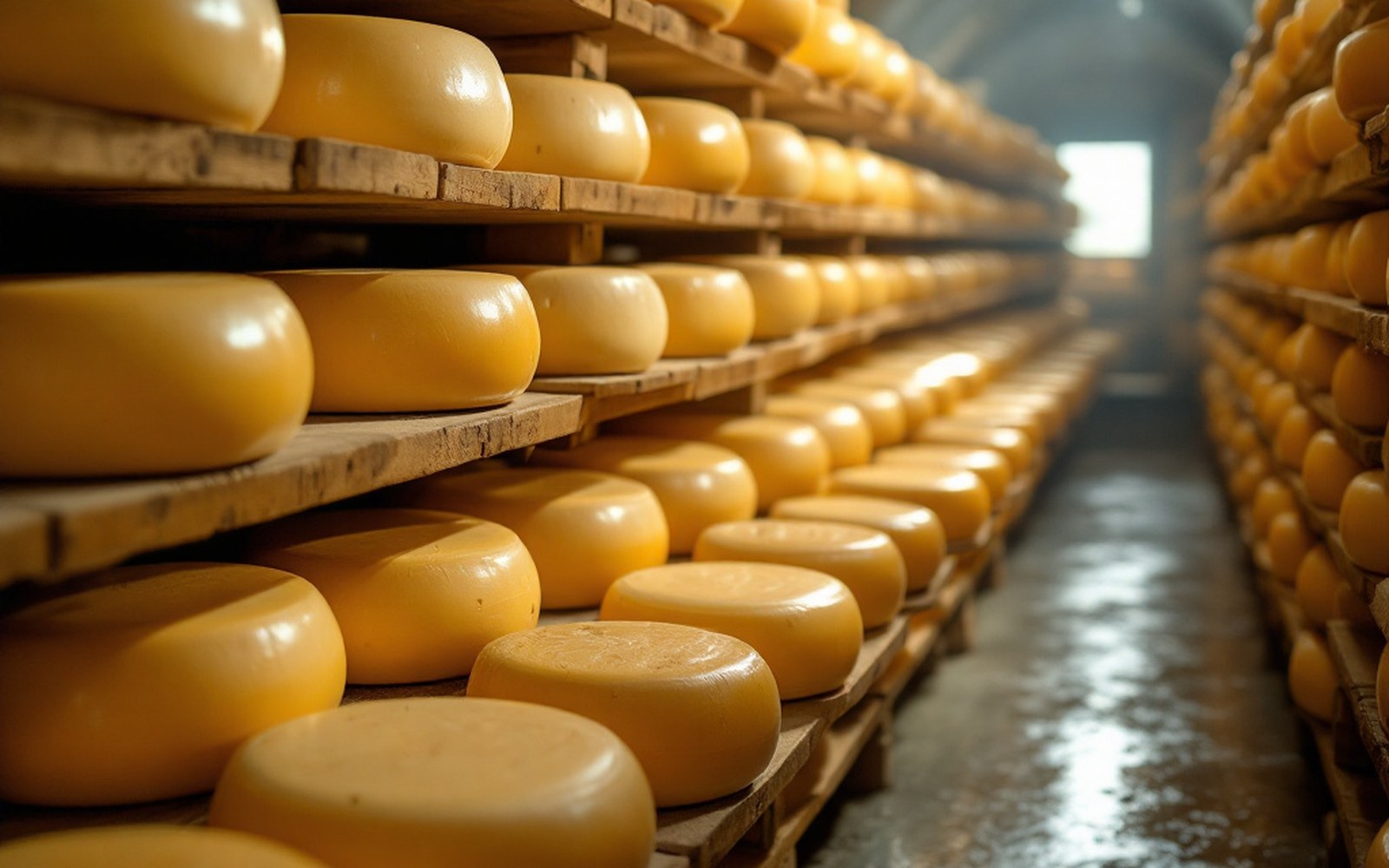
That community is one reason the AOP specifications for Reblochon de Savoie permit wooden boards and do not require the plastic alternatives that now appear in many industrial dairies. The Institut national de l'origine et de la qualité (INAO), which administers French protected designations, has consistently upheld wood as part of the process rather than a hygiene risk to be eliminated — a position backed by studies showing that the microbial activity in well-maintained wood can actually suppress certain pathogens by competition.
New boards are broken in deliberately, left in the cellar atmosphere before use so they acquire the house flora.
Maintenance and the limits of wood
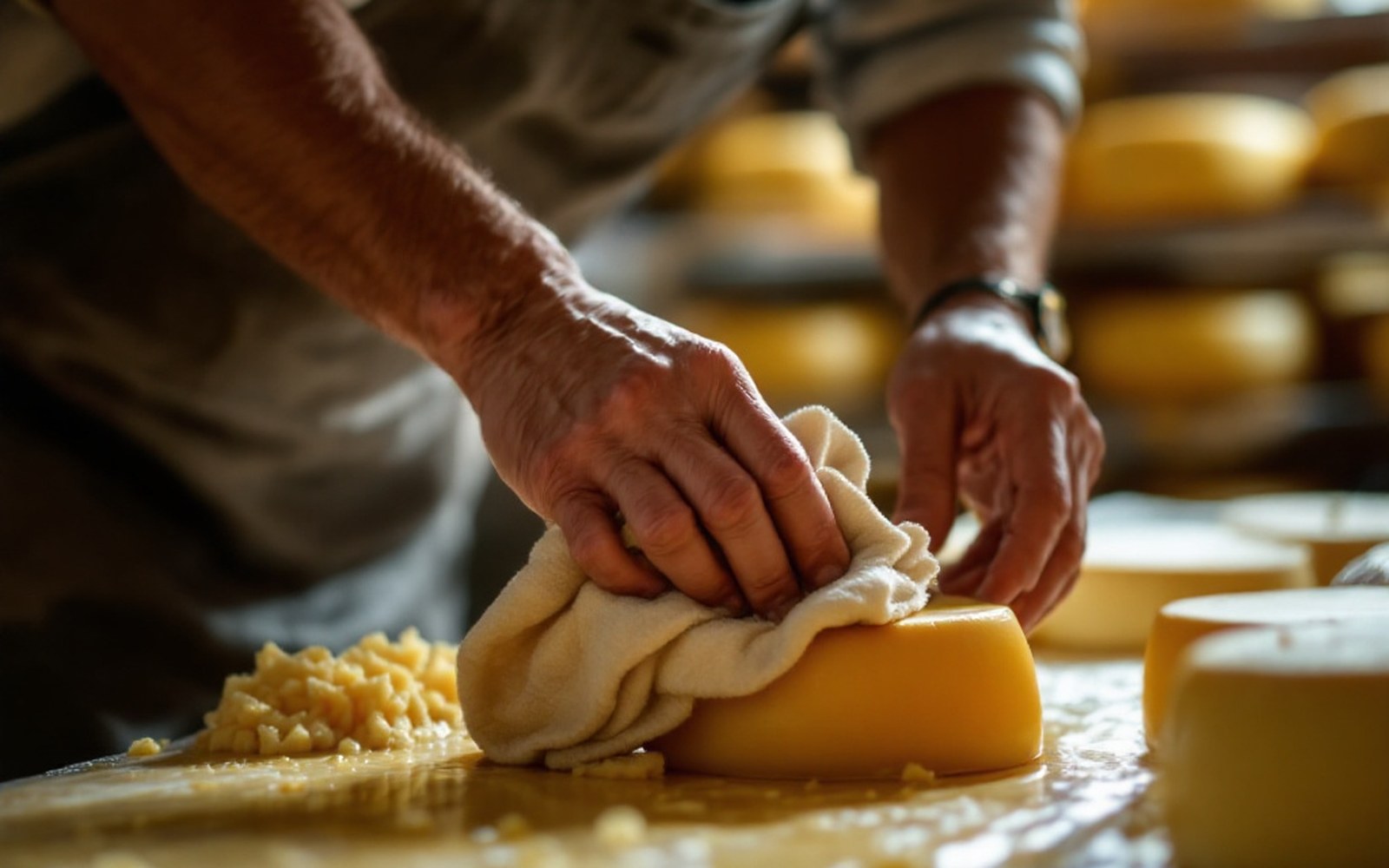
A board does not last indefinitely. The surface is scraped, not sanded, between uses — sanding removes the populated outer layer and exposes raw wood that needs re-inoculating. Scraping clears residue while leaving the established community intact. When a board has been scraped too many times and the wood has thinned, or when it begins to split along the grain and trap rather than breathe, it is retired.
The Parc naturel régional du Massif des Bauges includes forest managed for continuity of supply, and spruce from local sources is preferred where possible — partly because timber from lower-altitude, faster-grown trees tends to be less close-grained and absorbs less evenly. The specificity runs that deep: where the tree grew affects how the board performs.
This is a working material in a working space. The cellars in the cooperatives around Faverges and in the village fruitières (fruitières — cooperative dairies where neighbours' milk is pooled and made together) that serve the Thônes basin are not romantic. They are damp, cool and smell of ammonia and earth. The boards that line them are grey, scraped to a dull surface, unremarkable to look at. They are also irreplaceable as a technical tool ↗, carrying in their grain a record of every wheel that has rested on them and every rind that has formed because of it.