The Breed and Its Country
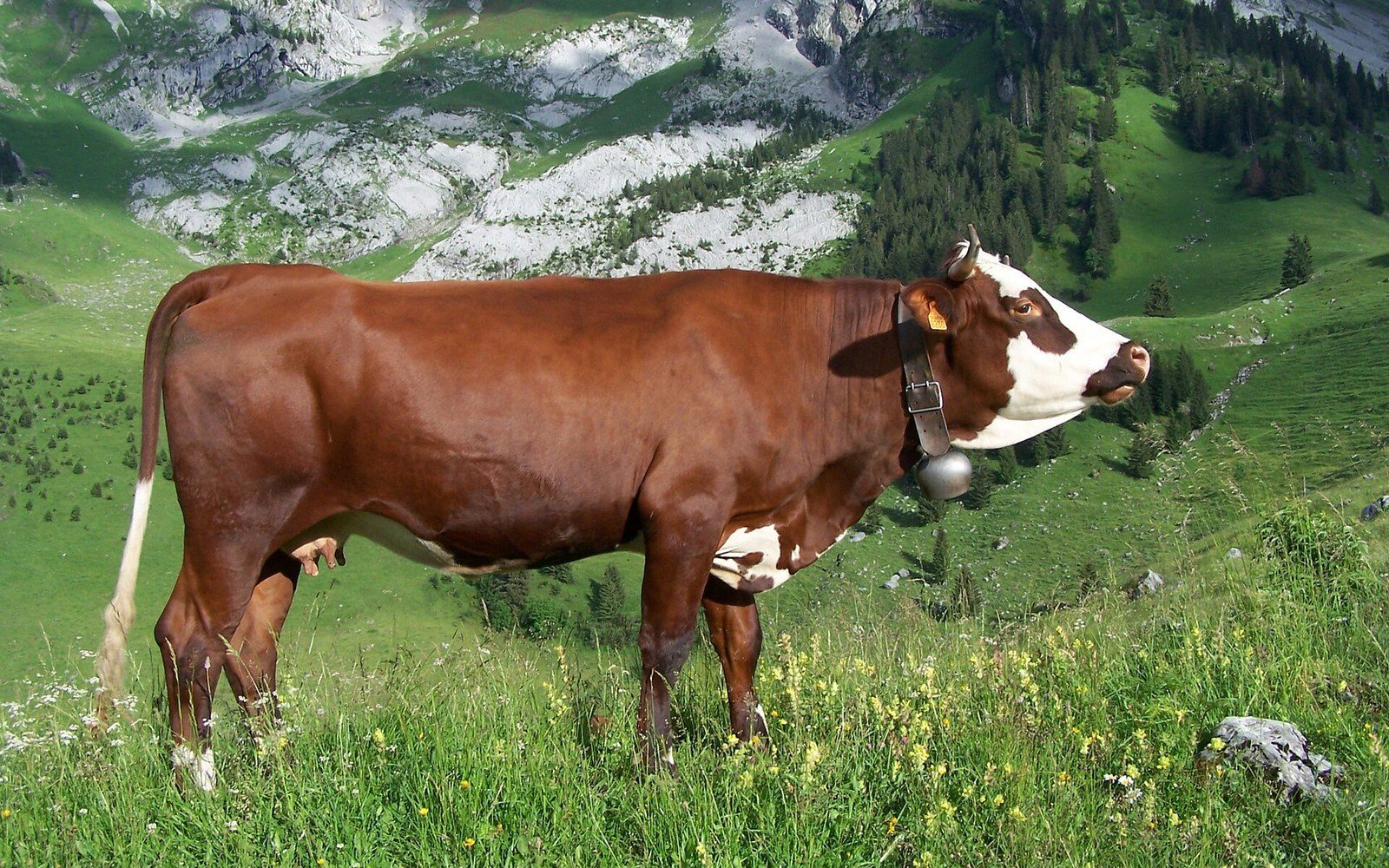
The Abondance takes its name from the Vallée d'Abondance ↗, a lateral valley in the Chablais massif in northern Haute-Savoie, where a distinct population of mountain cattle had been selected and maintained for centuries before any modern registry existed. The coat is immediately readable: a deep mahogany-brown body with a white face framed by brown spectacle markings around each eye, and white underparts. The spectacles are the breed's signature; an experienced herdsman can place an animal at fifty metres.
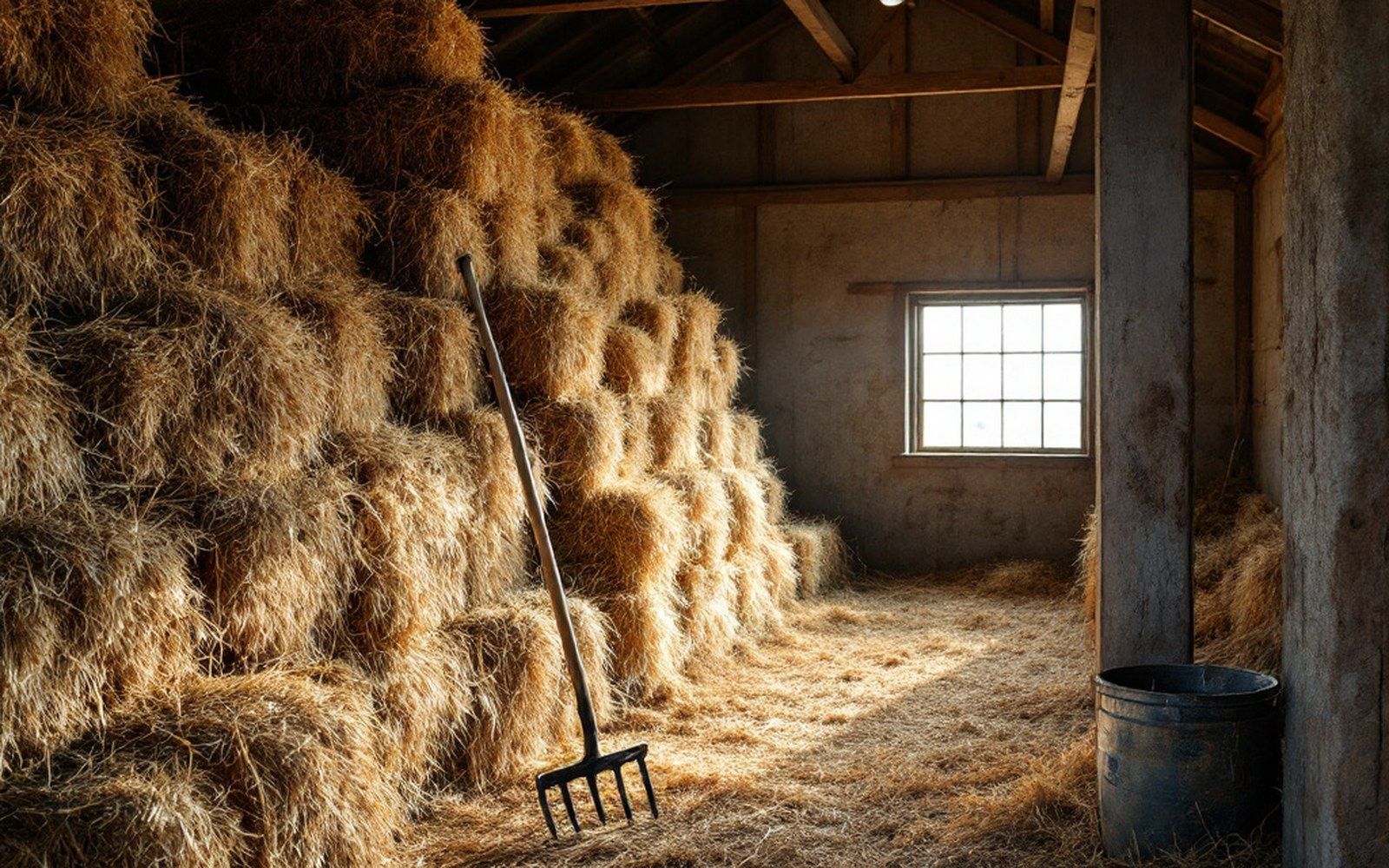
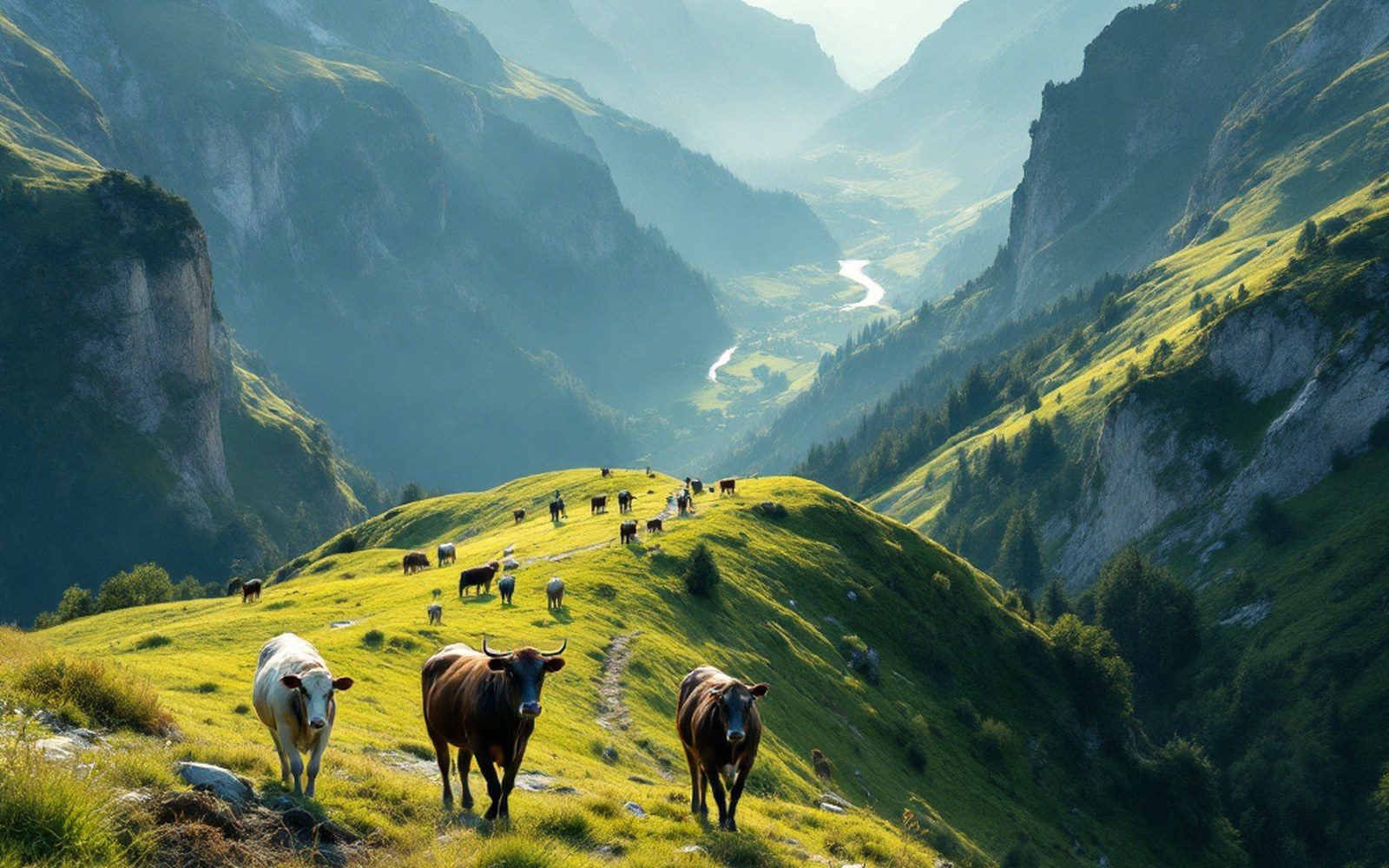
It is a dual-purpose breed — milk and meat — though in the context of the designations it is the milk that matters. The animals are medium-framed and notably robust on broken ground, with hard feet that hold up on the rocky, uneven surfaces of the alpage, the high summer pasture used only between roughly June and September. They handle the diurnal temperature swings of altitude better than lowland dairy breeds, and they are economical feeders: they extract reasonable production from thin, species-rich mountain grass without the concentrate supplementation that a high-yield commercial breed would demand.
The breed at a glance
| Colour | mahogany body, white face, brown eye-spectacles, white underparts |
|---|---|
| Frame | medium, sturdy; dual-purpose (milk and beef) |
| Range | native to the Chablais; now found across Haute-Savoie alpages |
| AOP exclusive | one of three breeds permitted under the Abondance cheese AOP specification, with the Tarine and Montbéliarde |
| Shared admission | also permitted alongside Tarine and Montbéliarde for Reblochon de Savoie and Tome des Bauges |
Admission to the Designations
The Abondance is one of three breeds admitted to the principal AOP (appellation d'origine protégée, protected designation of origin) specifications that govern production in this part of Haute-Savoie. Reblochon de Savoie, Abondance cheese itself, and Tome des Bauges each carry a cahier des charges — a binding specification maintained by the Institut national de l'origine et de la qualité (INAO) and registered in the European Commission's eAmbrosia GI database ↗ — and each lists the permitted breeds explicitly. The Abondance shares that list with the Tarine and the Montbéliarde. The three together cover almost all the cattle you will see on the alpages above Faverges, Seythenex and Chevaline.
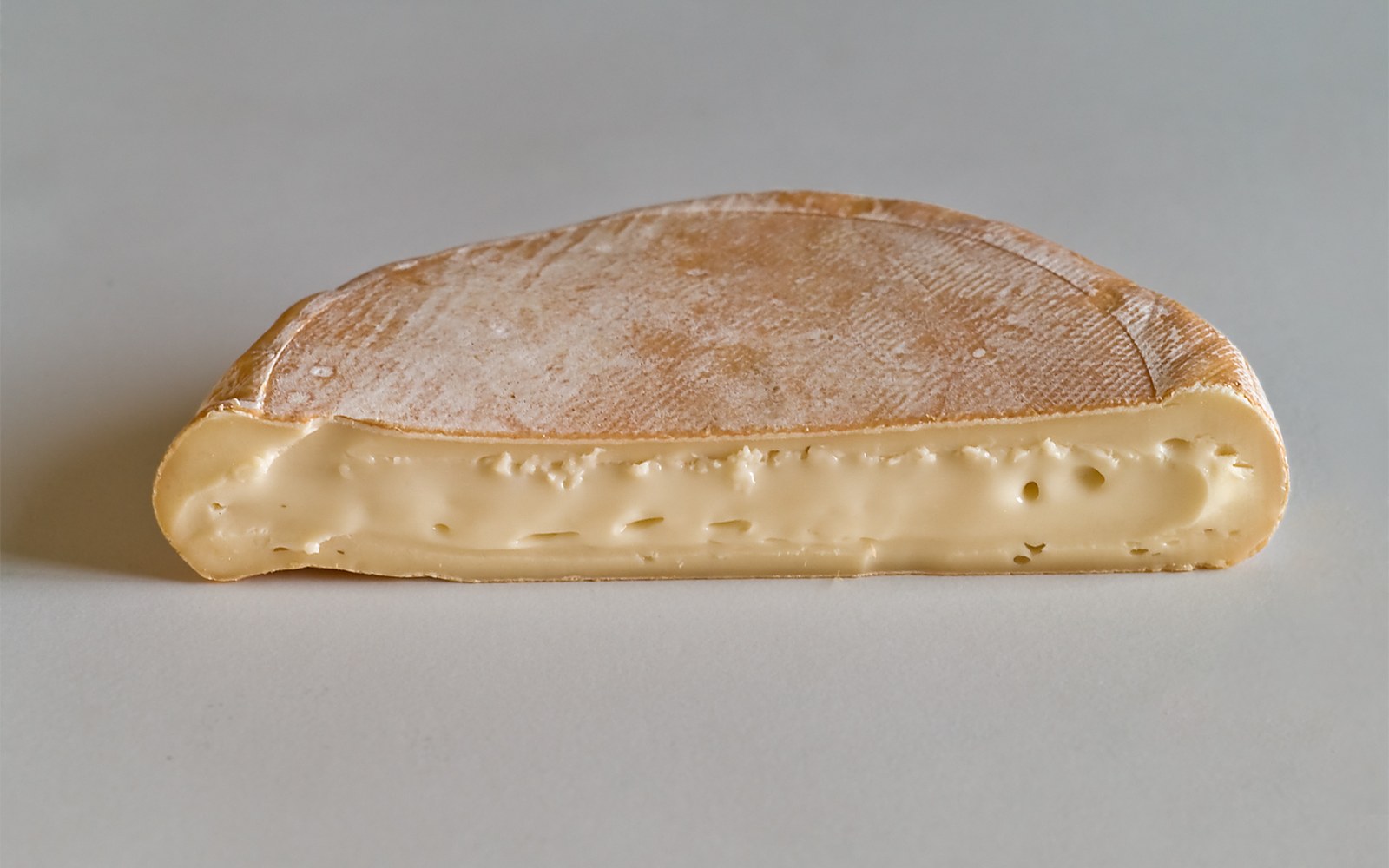
The breed lends its own name to Abondance cheese, a cooked, semi-pressed wheel produced in the Chablais under its own AOP. That designation is built around the breed, with Abondance cows required to predominate in the herds that supply the milk. Reblochon and Tome des Bauges both permit the full trio, giving cooperatives and individual farms flexibility that the Abondance specification deliberately withholds. The logic is traceability: if the cheese carries the breed's name, the breed carries the responsibility.
Milk and What It Yields
Abondance milk is not the highest-yielding in the Alps, but it has a fat and protein profile well suited to affinage, the extended cellar ripening that distinguishes wheels sold at two or three months from fresher styles. The fat content gives body to the paste and supports the rind development during turning and washing. Per-animal annual yields run lower than a modern Montbéliarde, which is why producers must work with the economics of the cow they have chosen, rather than correcting upward with a higher-yielding alternative.
The breed lends its own name to Abondance cheese, a cooked, semi-pressed wheel produced in the Chablais under its own AOP.
The milk moves through the same chain as any pooled production in the valley: evening and morning yields are held separately, assembled at the fruitière — the cooperative dairy — and processed under the rules of the relevant cahier des charges. Curd formation, pressing, salting and the start of affinage all happen within the envelope the specification draws. The breed shapes that envelope from the beginning, because the fat-and-protein ratio determines what the caillé — the curd — will do under heat and pressure, and what the finished wheel will carry in flavour after weeks in the cellar.
The Abondance cow is, in this sense, not merely admitted to the designation: it is structural to the cheese that shares its name, and its presence on the massifs above the Lac d'Annecy basin and the Bauges is the visible, living argument that a geographical origin and a specific animal are the same claim made twice.