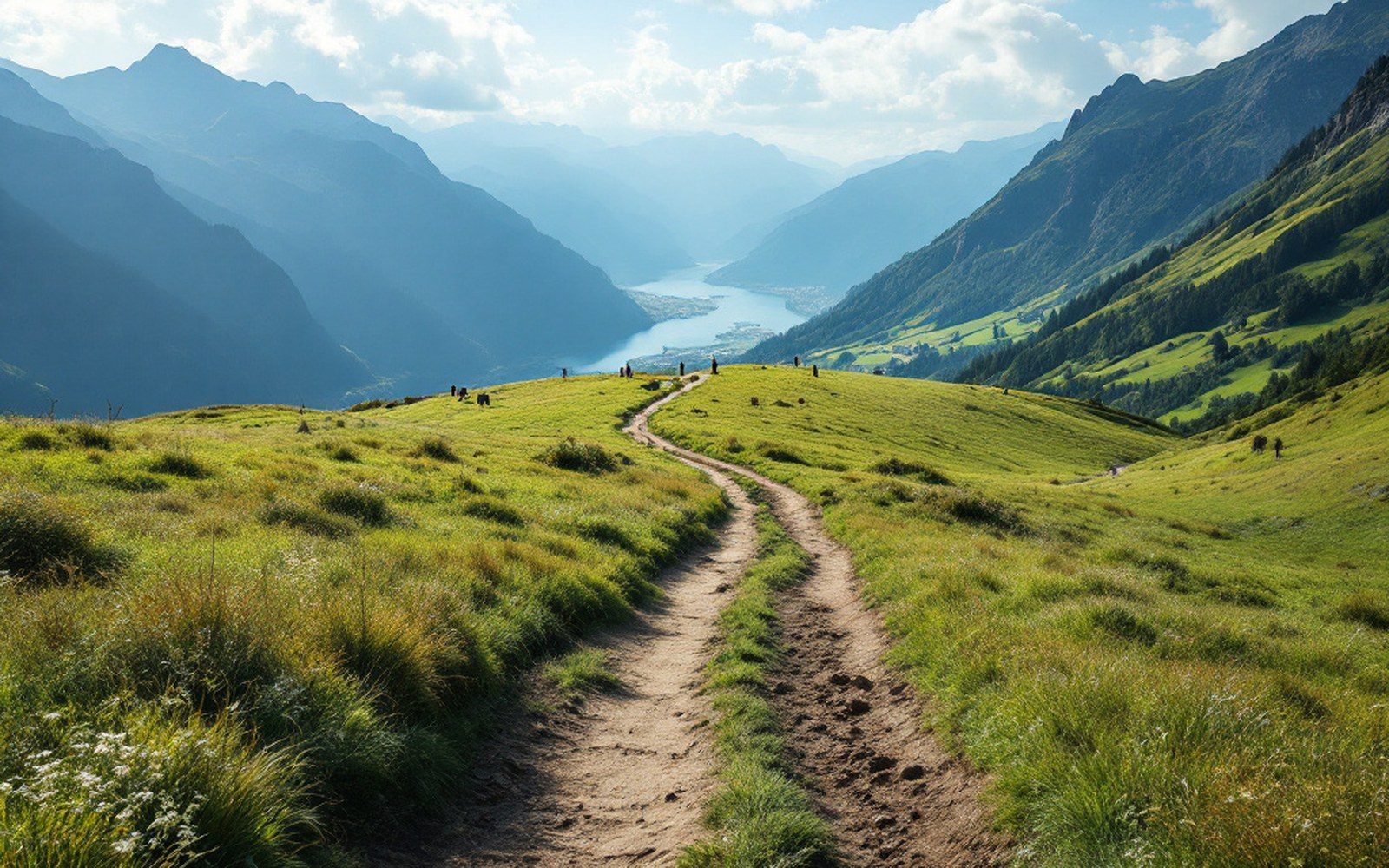
What the Pasture Actually Is
An alpage (the word designates a high-altitude grazing zone used only in summer, and by extension the whole seasonal enterprise conducted on it) is not a field. It is a defined parcel of mountain land, often held by a commune or an agricultural grouping rather than by a private farmer, whose productive season may last as little as eight or nine weeks. Below roughly 1,400 metres in the Massif des Bauges, the grass grows long enough and early enough that stock can graze from spring to late autumn on the home farm's own meadows. Above that line — and on the best alpages of the Bauges and the ridges above Faverges the grazing sits between 1,400 and nearly 2,000 metres — conditions are categorically different. The snowpack holds until June; the grass surges intensely once it melts; by mid-September the nights harden and the flush is gone. That narrow window is the resource the alpage exists to exploit.
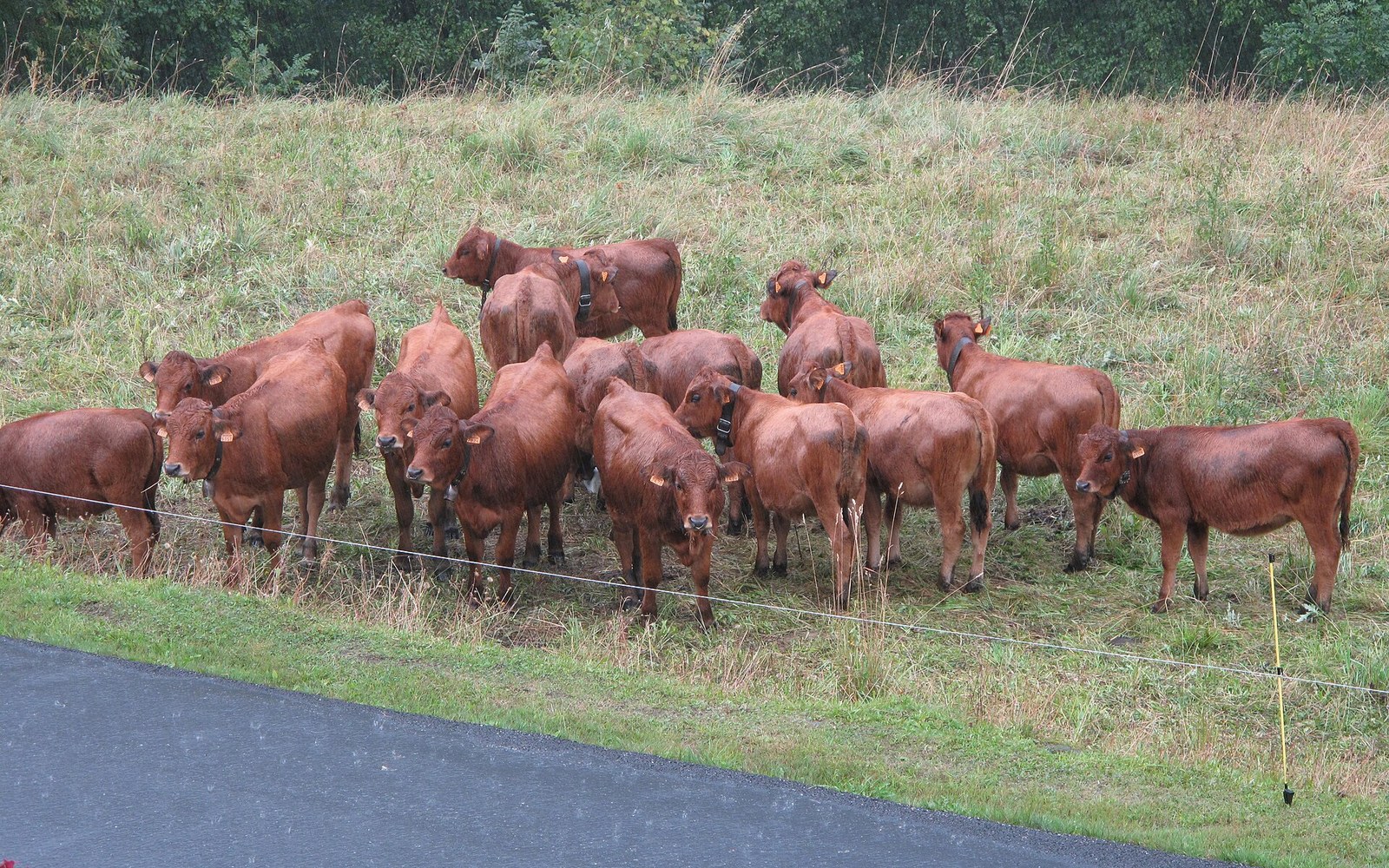
The grazing is intense precisely because it is brief. The sward on a good alpage is botanically richer than anything below: short-stemmed fescues, mountain herbs and wildflowers whose aromatic compounds carry through into the milk, and a diversity of grasses that a lowland permanent pasture managed for silage output will never rival. The rules attached to the protected designations in this part of Haute-Savoie — Reblochon de Savoie and Tome des Bauges both govern what an animal may eat — are partly designed to protect this quality and to prevent producers from importing feed that would dilute the direct link between place and milk. You cannot maintain that link on an alpage if you are supplementing with concentrate brought up by tractor every other day.
The Seasonal Calendar and What It Demands
The rhythm of the year in the valleys around Faverges, Thônes and the edge of the Bauges is set by the alpage's two fixed events: departure and return. Transhumance, the practice of walking the herd from the valley floor to the high pasture in early summer and back down again in autumn, is not a ceremony preserved for tourism — it is the agricultural mechanism by which one herd makes full use of two distinct ecological zones in a single year. The valley meadows, relieved of grazing pressure through the summer, grow the hay that must feed those same animals through the winter. Without the upward movement in June, the winter stores cannot accumulate; without the return in September or October, the animals would face ground they cannot use.
The seasonal window
- Productive alpage seasonroughly 8–9 weeks, typically June to mid-September
- Departure date drivenby snowmelt and grass condition, not a fixed calendar point
- Valley meadows accumulatewinter hay during the same period the herd is absent
- Return forced byhardening nights and end of the summer flush
The date of departure varies by altitude and by year. A late snowmelt or a wet spring can push the ascent back by two or three weeks, and alpagistes — the farmers or hired hands who tend the herd on the high pasture — read the condition of the snow and the grass, not the calendar, as their real signal. Arriving too early exhausts the new growth before it has time to set; arriving late wastes days of productive season that cannot be recovered. Communes that hold the alpage land collectively may set a formal opening date to prevent any one farmer from jumping early, a coordination problem that is several centuries old in these mountains.
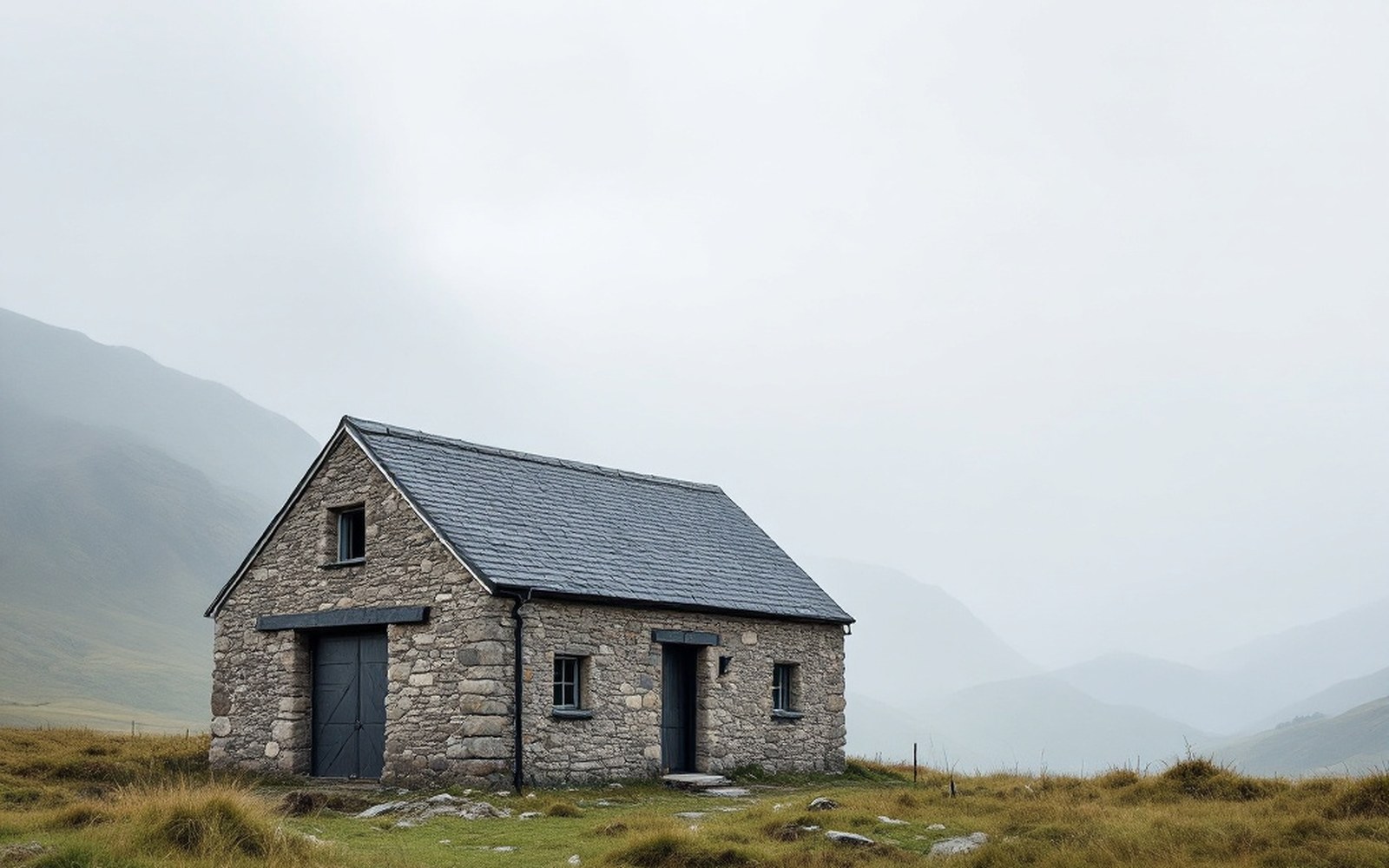
Once on the alpage, the day is organised entirely by the animals and the dairy. Cows are milked twice a day; each milking goes directly into the vat in the chalet d'alpage — the stone-and-timber working building on the high pasture, which houses a byre, a dairy room, a hearth and sometimes a sleeping platform for the alpagiste and anyone helping. There is no refrigeration. Processing cannot wait. The caillé, or curd, is set the same morning or evening it is drawn, and the wheel is pressed and salted within hours. On an alpage making Reblochon de Savoie, the designation's cahier des charges — its official product specification — requires that milk be processed at the place of production: the cheese cannot legally be made from milk that has been transported down to the valley fruitière for processing and then labelled as alpage product. That rule is what gives alpage cheese its character and its legitimacy.
Three breeds are admitted by the designations that govern cheese-making in this part of Haute-Savoie: Abondance, Tarine and Montbéliarde.
Breeds, Buildings and the Logic of Limitation
Three breeds are admitted by the designations that govern cheese-making in this part of Haute-Savoie: Abondance, Tarine and Montbéliarde. Each was historically suited to mountain conditions in a different way. The Tarine — small, dark-coated, sure-footed — manages steep and broken ground with a composure that heavier breeds cannot match; on the more broken terrain above Chevaline and Seythenex, where the alpage slopes are uneven and the paths narrow, that matters. Abondance cows, mahogany and white, are associated particularly with the western Haute-Savoie designations and were once the overwhelming majority on these pastures. Montbéliarde animals, larger and higher-yielding, are now common but represent a trade-off: more milk per animal, but milk with slightly different compositional properties, and an animal that fares less well on the steepest ground. Farmers make that calculation individually, and the mixed herds that result are a normal feature of summer on any working alpage.
The chalet d'alpage is a constraint that shapes everything made within it. The vat is small relative to a valley fruitière's; the workforce is minimal — in many cases one person, perhaps two. There is no climate control beyond the altitude itself. Affinage, the cave-aged maturation period that follows production, must happen somewhere with more stable temperature and humidity, which is why alpage wheels travel down to a valley cellar before they are finished. The cellar does not diminish what was made on the pasture; it completes it. The rind washed during affinage carries organisms that developed partly in response to that high-altitude environment, and the wheel carries the mineral and aromatic signature of the milk it was made from. None of that can be replicated in a lowland dairy from transported milk, which is precisely why the Institut national de l'origine et de la qualité ↗ maintains the geographic and procedural restrictions that separate alpage production from valley production in the designation rules.
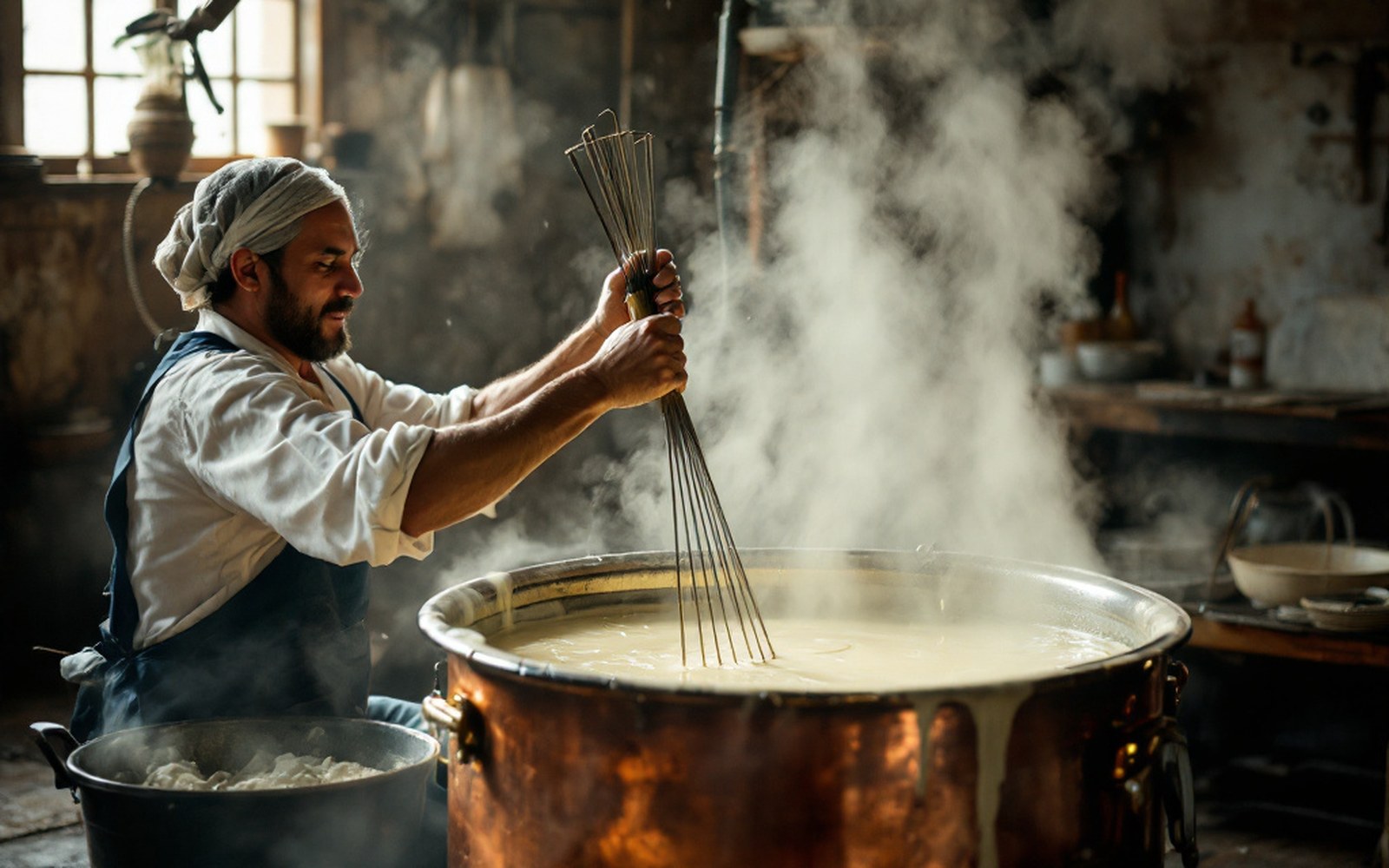
What is often underestimated is the physical load of summer on the alpage. A single alpagiste managing a herd of forty animals, processing two milkings a day, maintaining the building, monitoring the pasture rotation to prevent overgrazing of any one zone, and watching the weather that can change in under an hour at altitude — this is a working life of considerable intensity, without the infrastructure of the valley farm, and with a season short enough that any day lost to injury or equipment failure is genuinely costly. The Parc naturel régional du Massif des Bauges, which holds territory directly relevant to the area around Faverges, has documented the economic and ecological fragility of alpage farming and the slow decline in active alpagistes over recent decades. The pastures do not manage themselves; if the labour is not there, the land reverts, and the designation loses the resource that makes it meaningful.