The rind is not incidental — it is managed
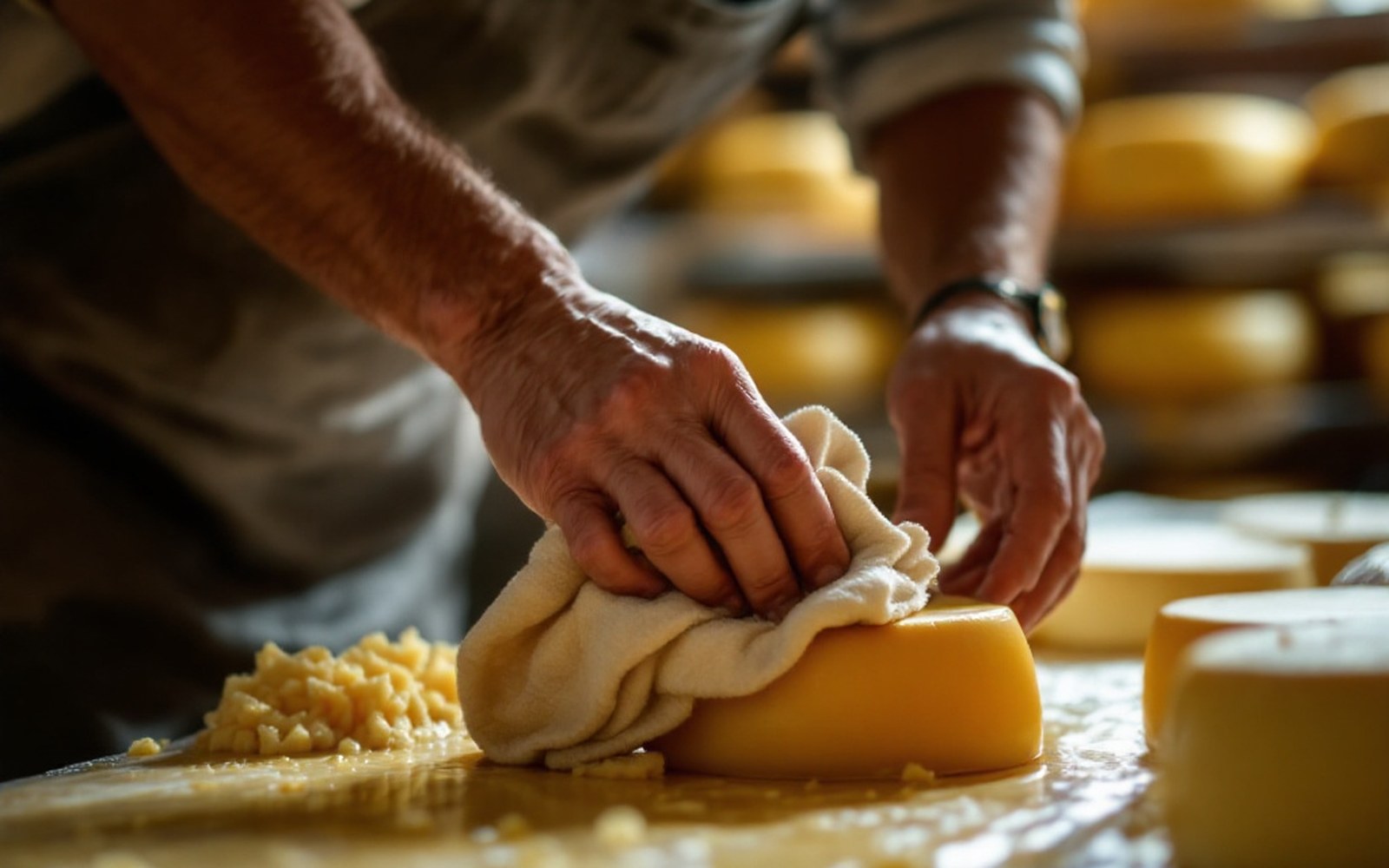
Cheese left in a cellar does not age quietly. It becomes a site of competition, a surface where bacteria, yeasts and moulds vie for the same damp rind. What the affineur (cellar worker who tends and turns the maturing cheese) does in those first weeks is not passive storage: it is a deliberate programme of intervention whose purpose is to favour one community of organisms over every other. The practice that gives that programme its name is emmorgeage — the repeated washing and rubbing of the rind with brine, with a morge (a solution of salt water carrying organisms from previous rinds), or with both.
The word itself points to the method. A morge is not clean brine but live brine, often a suspension of bacteria, wild yeasts and smear organisms cultured from earlier wheels in the same cellar. When an affineur rubs it across a young cheese, they are inoculating the surface as much as washing it. The organisms carried in the morge compete aggressively for space, suppressing wild contaminants that would otherwise take hold and spoil the rind or penetrate it unpredictably.
The sequence in the cellar
- Pressing → youngwheel placed on spruce board → daily or near-daily rubbing with morge begins → mould patches removed between sessions → frequency reduces as rind stabilises → minimum fifteen days for Reblochon before the wheel leaves the cellar
What the rubbing achieves
Repeated emmorgeage does several things at once. It keeps the rind moist — essential in a cold cellar where evaporation can crack the surface and let air-borne moulds in. It removes any white or grey mould patches that establish themselves between sessions. And it deposits the smear organisms that will go on to break down proteins at the surface, softening the rind and producing the characteristic tang that distinguishes a washed-rind cheese from one simply left to its own devices.
For Reblochon de Savoie, whose cahier des charges (the official product specification held by the Institut national de l'origine et de la qualité ↗) prescribes the conditions of affinage, the period between pressing and sale is short — a minimum of fifteen days — which means every rubbing session matters proportionally more. The rind must reach the right colour and consistency before the wheel leaves the cellar, and emmorgeage is the tool that moves it there on schedule.
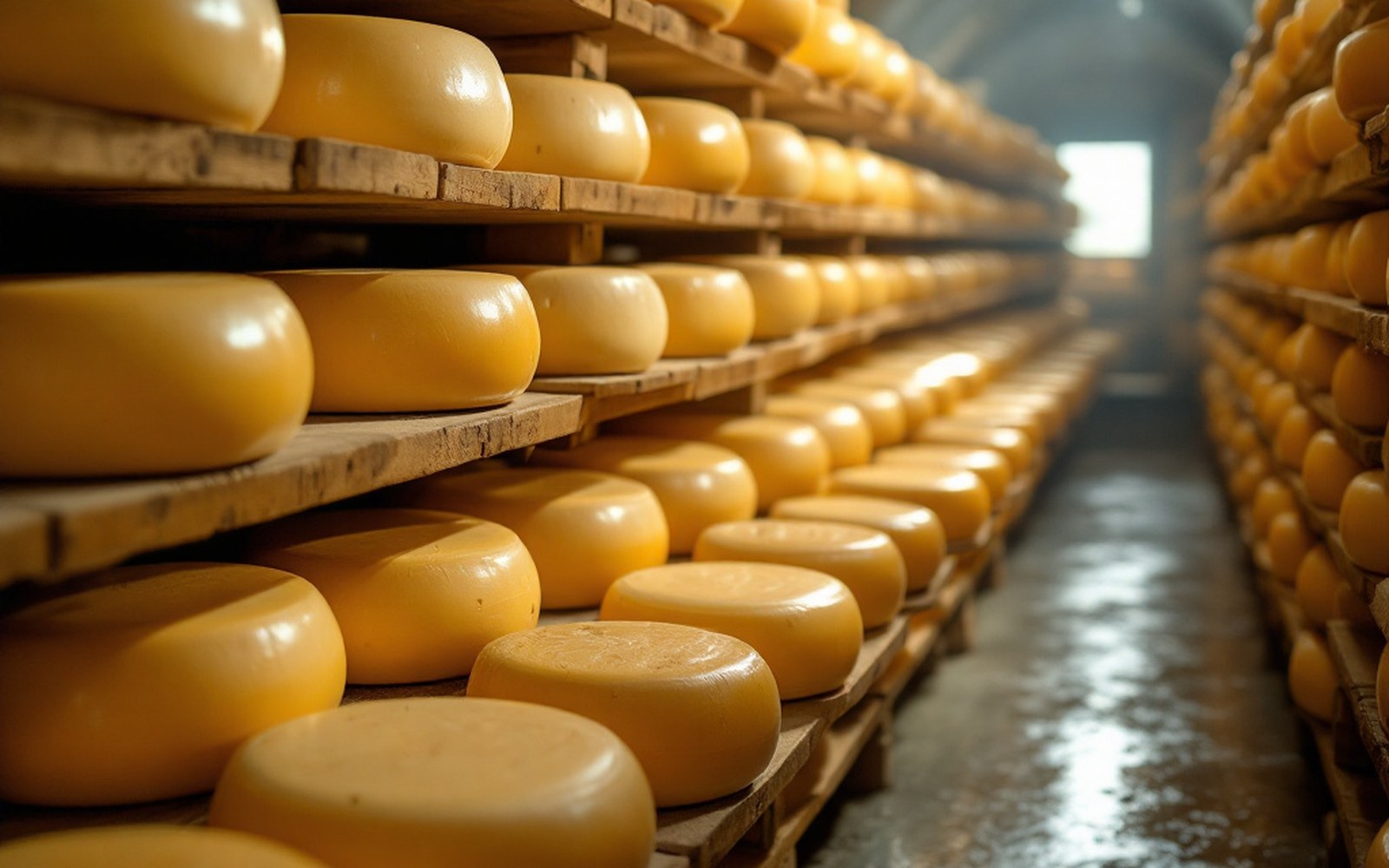
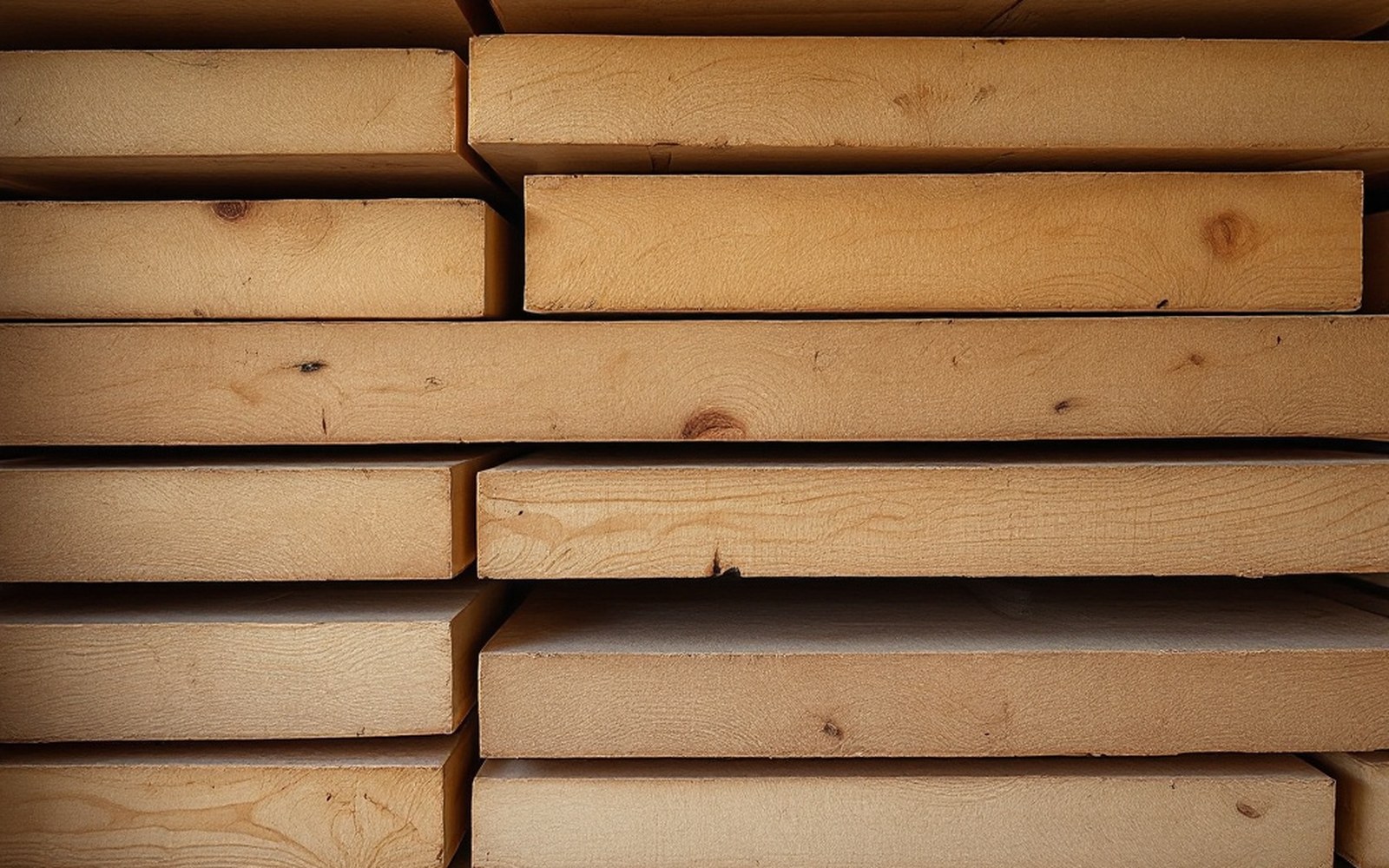
The physical act is simple: a cloth or brush dampened in morge is drawn across each face and around the circumference of the wheel, then the wheel is turned and replaced on its spruce board. The board itself participates in the microbial economy of the cellar — the wood breathes, taking moisture from the base of the rind and releasing it slowly, so the lower face does not become waterlogged between rubbings. Spruce boards are not interchangeable with other materials in this context; wood is traditionally preferred because the exchange between wood and rind is thought to be part of what makes affinage work.
In the early days after pressing, an affineur may rub a wheel every day or every other day; as the rind stabilises, sessions thin out.
Frequency varies by cheese and by cellar. In the early days after pressing, an affineur may rub a wheel every day or every other day; as the rind stabilises, sessions thin out. The skill lies in reading the surface — its colour, its humidity, any patches of unwanted growth — and adjusting accordingly. No two cellars have identical microbial populations, which is why Tome des Bauges producers and Reblochon producers do not produce interchangeable flavour profiles even when working the same valley and the same breed. Each cellar's morge is, in effect, a living house culture, accumulated over years.
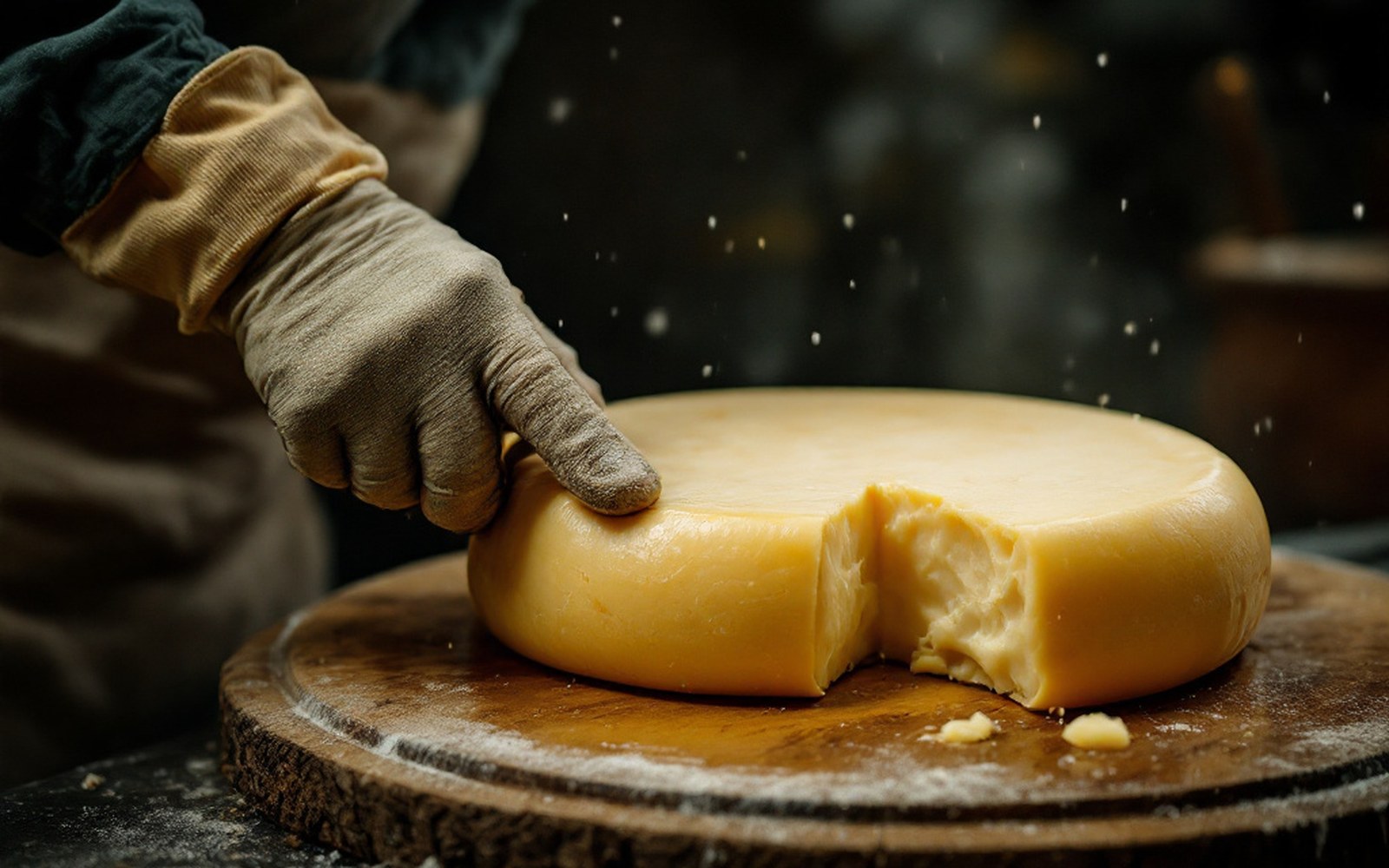
The broader ecology of the alpage connects to this moment in the cellar more directly than it might seem. What the animals ate on the high pasture, which bacteria populated their milk, how long the curd was worked at the vat — all of it shapes the microbial community that the affineur later tends and directs. Emmorgeage does not override that history; it manages it, steering the rind toward a predictable outcome from raw material that is never quite the same twice. That gap between prescription and reality is where the affineur's judgement lives, and it is what makes cellar work a craft rather than a procedure.